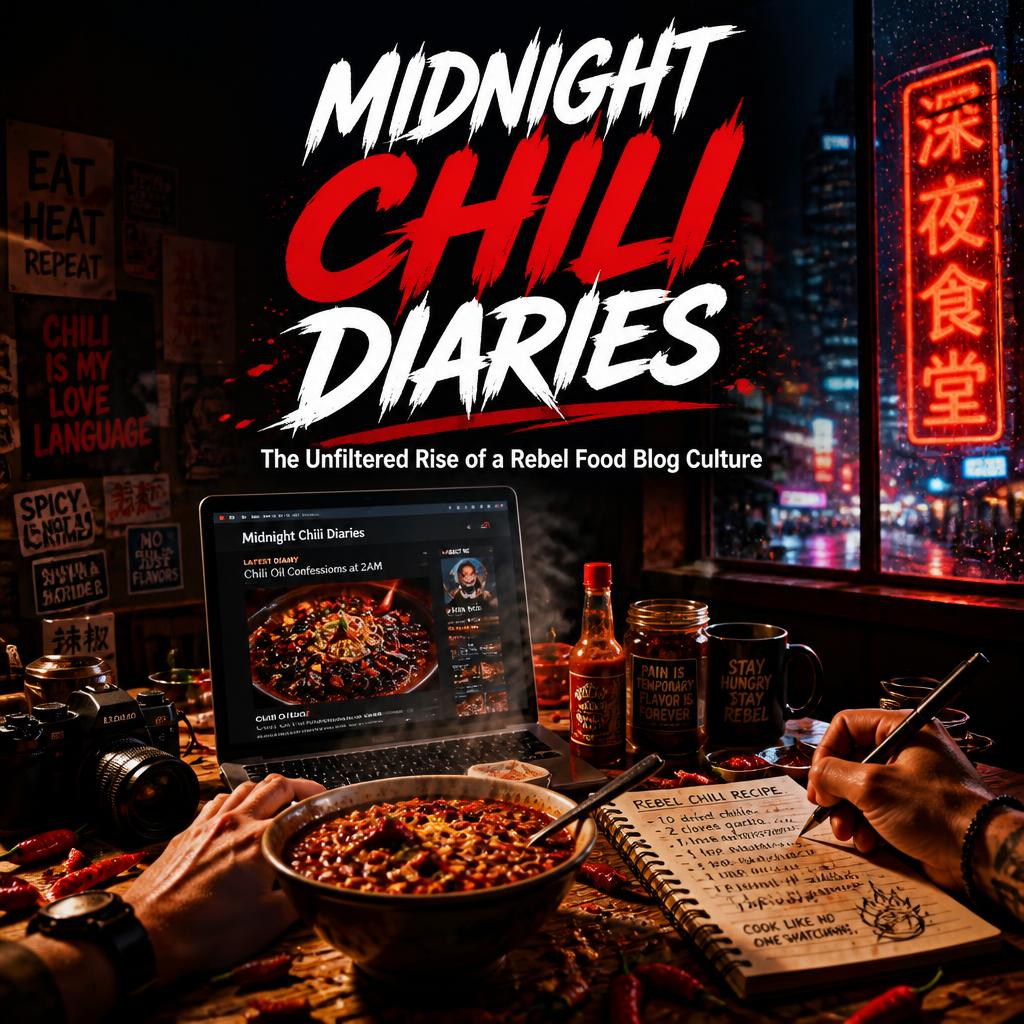
Midnight Chili Diaries: The Unfiltered Rise of a Rebel Food Blog Culture is more than just a catchy phrase—it reflects a digital era where taste, storytelling, and personal identity merge into one immersive online experience. Modern readers no longer just search for recipes; they follow personalities, narratives, and visual journeys that feel alive, unpredictable, and deeply human.
What Is a Food Blog Revolution?
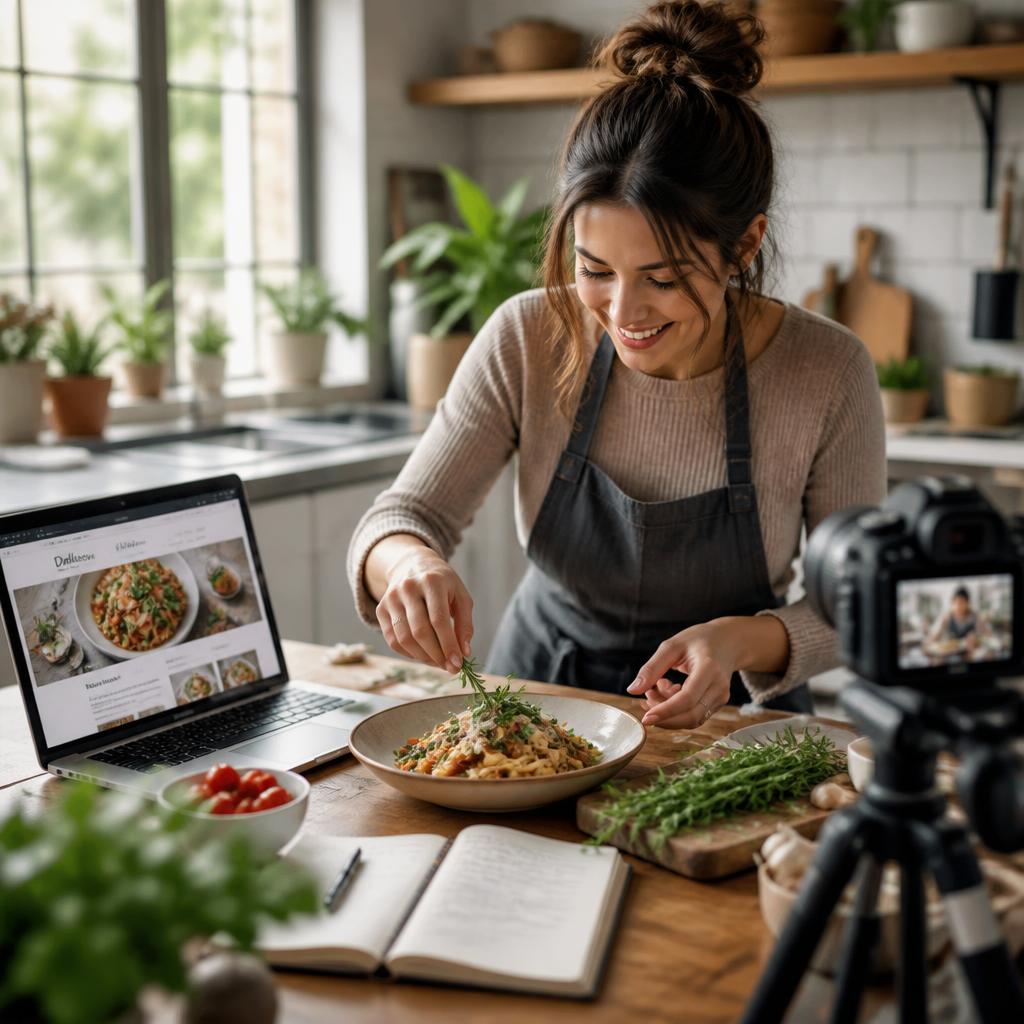
fridascocina.com – A modern food blog is no longer just a recipe archive. It is a hybrid of culinary journalism, personal storytelling, and visual culture. In many ways, it behaves like a living organism—constantly evolving with trends, audience feedback, and algorithm shifts.
From Recipe Pages to Digital Storytelling
Earlier websites focused on structured recipes. Today’s platforms blend gastrophysics, sensory descriptions, and even cultural anthropology. Writers often explore why a dish matters, not just how to cook it.
The Emotional Layer Behind Every Dish
Food is tied to memory, identity, and emotion. Bloggers often connect dishes to childhood, migration stories, or even scientific exploration of taste perception (umami, olfactory stimulation, etc.).
Who Creates Modern Culinary Blogs?
The creators behind food blogs are surprisingly diverse. They include professional chefs, home cooks, photographers, nutritionists, and even data analysts exploring food trends.
Many successful creators are self-taught storytellers who combine culinary curiosity with digital marketing intuition. Others come from formal training in gastronomy or food science, bringing structured knowledge into a creative space.
Where Food Blogging Thrives Globally
Food blogging is a global phenomenon, but certain regions dominate.
- North America leads in monetized content ecosystems
- Southeast Asia thrives in viral street-food storytelling
- Europe emphasizes heritage cuisine and regional authenticity
- Latin America focuses on cultural fusion narratives
Cities like Tokyo, New York, and Bangkok act as creative hubs where food culture evolves rapidly and inspires global audiences.
When Food Blogging Became a Digital Movement
The transformation began in the early 2000s, when personal websites evolved into interactive platforms. Social media later accelerated this shift, especially with visual-first platforms like Instagram and TikTok.
By the mid-2010s, food blogging became a professional industry. Algorithms started shaping visibility, forcing creators to understand engagement metrics, retention rates, and content velocity.
Why Food Blogs Dominate Search Culture
Food content performs exceptionally well in search engines due to its universal relevance. Everyone eats, but not everyone cooks the same way.
Search intent typically falls into three categories:
- Informational (how to cook)
- Experiential (what does it taste like)
- Comparative (which recipe is better)
These layers create a strong SEO foundation that keeps food blogs consistently visible.
How a Food Blog Is Built from Scratch
Building a successful culinary platform requires structure and patience.
Step 1 — Define a Niche
Some focus on vegan cuisine, others on street food or molecular gastronomy.
Step 2 — Build Visual Identity
Photography style, color grading, and typography define brand recognition.
Step 4 — Content Engine and Consistency
Publishing rhythm matters more than occasional perfection.
Technical Backbone
Behind every successful site lies strong hosting, fast loading speeds, and optimized schema markup for recipes.
At this stage, creators often realize that Food Blog success depends as much on technical optimization as it does on creativity and storytelling.
SEO Anatomy of Culinary Content
Search optimization in food blogging is highly structured. Key components include:
- Keyword clustering
- Internal linking strategy
- Recipe schema markup
- Image compression for performance
- Intent-based headings
Search engines evaluate both relevance and engagement signals, such as time on page and scroll depth. Culinary content performs best when it balances readability with structured data.
Storytelling Techniques in Food Writing
Strong food writing feels cinematic. It engages multiple senses simultaneously.
Writers often use:
- Metaphors linked to texture and aroma
- Cultural references to explain origin
- Scientific vocabulary like Maillard reaction or emulsification
- Narrative pacing that mirrors cooking steps
This creates immersion rather than instruction.
Monetization Paths for Food Bloggers
Turning culinary content into income is a multi-layered process:
- Sponsored content with food brands
- Affiliate marketing for kitchen tools
- Digital cookbooks and courses
- YouTube ad revenue
- Subscription-based recipe access
The most sustainable creators diversify income streams instead of relying on a single platform.
Common Mistakes in Food Blogging
Many beginners struggle with consistency and positioning.
Frequent issues include:
- Overposting without strategy
- Ignoring SEO fundamentals
- Poor food photography lighting
- Lack of audience targeting
- Copying trending content without originality
Avoiding these mistakes allows long-term growth and stronger audience loyalty.
Emerging Trends in Culinary Content
The future of food blogging is shaped by technology.
- AI-assisted recipe creation
- AR-based cooking tutorials
- Sustainability-focused cooking narratives
- Hyper-local ingredient sourcing
- Neurogastronomy insights (brain–taste interaction studies)
These innovations redefine how audiences interact with food content online.
Community and Cultural Impact
Food blogs do more than share recipes—they preserve culture. Many traditional dishes survive digital transformation because bloggers document them.
Communities form around shared tastes, dietary needs, and cultural identity. This creates a decentralized culinary archive accessible worldwide.
Related Culinary Insights
Before diving into the conclusion, explore these useful reads:
✔️ Food Blog Secrets: Build a Loyal Audience Through Great Recipes
✔️ Hidden Street Food Spots That Secretly Dominate Local Taste
Final Thoughts on the Food Blogging Landscape
The evolution of digital cuisine reflects a broader shift in how humans consume information. Food is no longer confined to kitchens—it lives in screens, narratives, and global communities that exchange ideas in real time.
As platforms continue to evolve, creators who balance authenticity, technical skill, and storytelling depth will stand out in an increasingly crowded digital space. The journey of Midnight Chili Diaries: The Unfiltered Rise of a Rebel Food Blog Culture shows that food writing is not just about recipes, but about shaping culture, memory, and identity in the digital age.