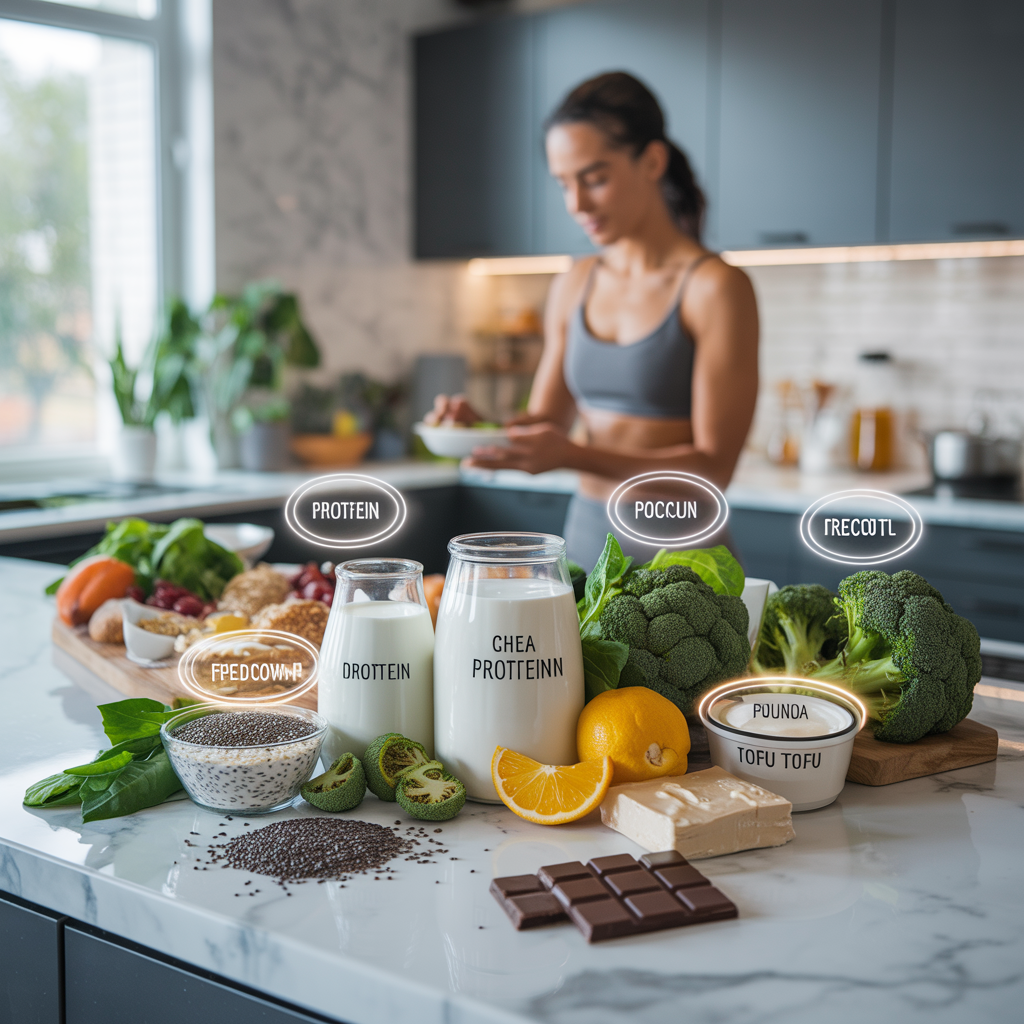
What Are Hidden Protein Foods and Why They Matter
Hidden Protein Foods You’re Probably Ignoring: Surprising Sources That Boost Your Daily Intake Effortlessly isn’t just a catchy idea—it’s a real nutrition gap most people overlook. When people think about protein, they usually jump straight to chicken, eggs, or protein shakes. However, many everyday foods quietly contribute significant protein without getting the spotlight. – fridascocina
So, what exactly are hidden protein foods? Simply put, they’re ingredients that aren’t marketed as high-protein but still deliver a meaningful amount. Because of that, they can help you hit your daily protein goals without forcing major dietary changes.
Why Hidden Protein Sources Are a Game-Changer
Most people underestimate how much protein they actually need. Whether you’re building muscle, losing fat, or simply maintaining energy, protein plays a key role. Yet, relying only on obvious sources can feel repetitive and limiting.
That’s where hidden protein foods come in. They:
- Add variety to your diet
- Reduce reliance on supplements
- Improve overall nutrition balance
- Help maintain satiety longer
In other words, they make protein intake effortless.
Who Should Pay Attention to These Foods?
Not everyone tracks protein intake carefully, but certain groups benefit more from hidden sources:
Fitness Enthusiasts
They need consistent protein intake throughout the day. Hidden sources help fill the gaps between meals.
Busy Professionals
They don’t always have time for structured meals. These foods sneak protein into quick snacks.
Vegetarians and Flexitarians
They often struggle with protein diversity. Hidden plant sources become essential.
Older Adults
Protein supports muscle retention. Small, frequent protein additions make a big difference.
Where Hidden Protein Foods Fit Into Your Diet
You don’t need a complete diet overhaul. Instead, these foods naturally fit into:
- Breakfast (oats, yogurt, seeds)
- Snacks (nuts, roasted legumes)
- Lunch (whole grains, leafy greens)
- Dinner (vegetables and side dishes)
That means you can increase protein intake without even noticing.
When Should You Eat Them?
Timing matters more than people think. Instead of loading protein into one meal, spreading it across the day works better.
- Morning: Kickstart metabolism
- Afternoon: Maintain energy
- Evening: Support recovery
Adding hidden protein foods throughout the day keeps your body fueled consistently.
Why Most People Ignore These Protein Sources
Here’s the truth: marketing shapes perception. Foods labeled “high protein” dominate attention, while others go unnoticed.
Additionally:
- People associate protein only with meat
- Nutrition labels aren’t always checked
- Cultural eating habits limit variety
As a result, many powerful protein sources stay under the radar.
Unexpected Plant-Based Hidden Protein Foods
Plant-based options often surprise people. They may look simple, but they pack a punch.
Chia Seeds – Tiny but Mighty
These seeds may be small, but they contain around 17g of protein per 100g. Plus, they’re rich in omega-3 fatty acids.
Oats – More Than Just Carbs
Oats provide about 13g of protein per 100g. So, your breakfast already contributes more than you think.
Spinach – The Green Protein Boost
While not extremely high, spinach still adds protein alongside essential nutrients like iron and magnesium.
Lentils – The Quiet Protein Champion
Lentils deliver about 9g of protein per cooked cup. They’re affordable, versatile, and filling.
Overlooked Animal-Based Protein Sources
Even within animal-based foods, some options don’t get enough credit.
Greek Yogurt
It contains nearly double the protein of regular yogurt. Additionally, it supports gut health.
Cottage Cheese
Low in fat but high in protein, it’s perfect for snacks or light meals.
Eggs (Beyond the Obvious)
While eggs are known for protein, many ignore how easy they are to include in multiple meals.
Bone Broth
Often overlooked, bone broth contains collagen protein that supports joints and skin.
How to Add Hidden Protein Foods Without Overthinking
You don’t need a complicated plan. Instead, use simple upgrades:
- Add chia seeds to smoothies
- Mix lentils into soups or salads
- Replace regular yogurt with Greek yogurt
- Sprinkle nuts over meals
- Use oats in baking or breakfast bowls
Small tweaks lead to big results.
Smart Food Pairings That Increase Protein Intake
Combining foods can amplify protein benefits.
Rice + Beans
This classic pairing creates a complete amino acid profile.
Nut Butter + Whole Grain Bread
You get both protein and sustained energy.
Yogurt + Seeds
This combination boosts protein and healthy fats simultaneously.
Common Mistakes to Avoid
Even with hidden protein foods, mistakes happen.
- Ignoring portion sizes
- Over-relying on one source
- Skipping protein earlier in the day
- Assuming vegetables don’t contribute protein
Avoiding these pitfalls ensures consistent intake.
Simple Meal Ideas Using Hidden Protein Foods
If you want quick wins, try these:
- Breakfast: Oatmeal with chia seeds and yogurt
- Snack: Apple slices with almond butter
- Lunch: Lentil salad with spinach
- Dinner: Grain bowl with beans and vegetables
These meals require minimal effort but deliver maximum nutrition.
How Hidden Protein Foods Improve Daily Life
Adding these foods doesn’t just improve nutrition—it enhances how you feel.
- Better energy levels
- Improved muscle recovery
- Reduced cravings
- More balanced meals
Over time, these small changes create noticeable results.
Hidden Protein Foods You’re Probably Ignoring Make All the Difference
Hidden Protein Foods You’re Probably Ignoring: Surprising Sources That Boost Your Daily Intake Effortlessly proves that you don’t need drastic changes to improve your nutrition. By simply recognizing and incorporating these overlooked foods, you can increase protein intake naturally, diversify your meals, and support your health goals without stress. Small shifts, done consistently, deliver powerful results.