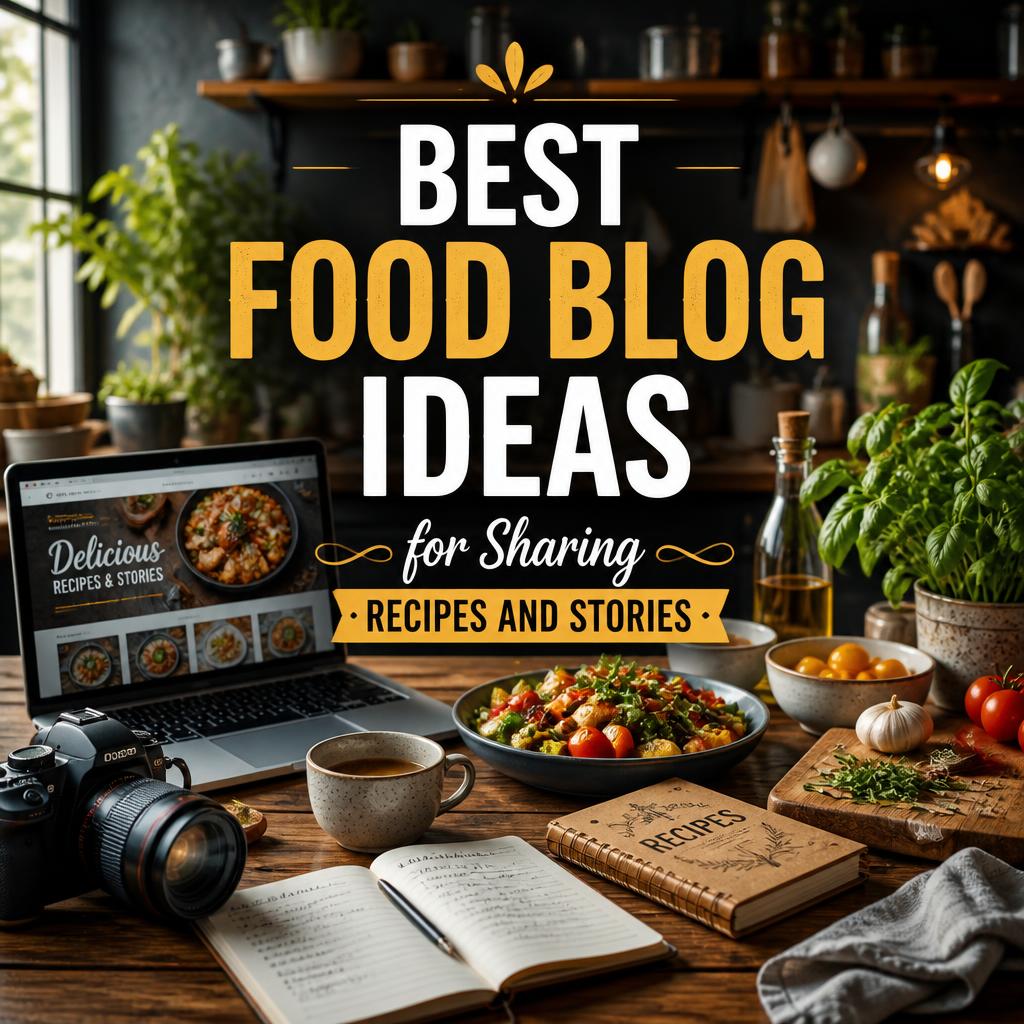
Best Food Blog Ideas for Sharing Recipes and Stories can help passionate food lovers transform simple kitchen experiences into engaging online content that connects with readers. A successful food blog is not only about posting recipes but also about sharing personal moments, cooking adventures, cultural backgrounds, and creative ideas behind every dish. Whether you are a beginner who loves experimenting with flavors or an experienced cook looking for a digital space, building a food blog can become an exciting journey. – fridascocina.com
Food content has grown rapidly because people are always searching for inspiration, easy recipes, meal planning ideas, and unique culinary stories. A great food blog combines practical information with personality, making readers feel like they are having a friendly conversation while discovering something delicious.
Why Food Blogs Remain Popular in the Digital Era
Food is one of the few topics that naturally brings people together. From family recipes passed through generations to modern fusion cuisine, every meal has a story behind it. This emotional connection makes food blogs different from ordinary informational websites.
Readers usually visit food blogs because they want more than a list of ingredients. They want to know how a recipe was created, why certain techniques work, and how they can recreate the same experience at home.
A strong food blog usually includes:
- Personal cooking experiences
- Step-by-step recipes
- Helpful kitchen tips
- Food photography
- Cultural background stories
- Ingredient explanations
By combining these elements, bloggers can create content that feels authentic and memorable.
Creative Recipe-Focused Food Blog Ideas for Beginners
Starting a food blog can feel overwhelming, especially when deciding what type of content to publish. The best approach is choosing a specific theme that matches your passion and knowledge.
1. Easy Everyday Recipes for Busy Families
Many readers search for simple meals that save time without sacrificing flavor. A blog focused on quick breakfast ideas, simple dinners, and affordable lunch recipes can attract people who need practical solutions.
You can share recipes such as:
- 30-minute dinner meals
- One-pot dishes
- Healthy meal preparation ideas
- Budget-friendly recipes
This type of content works well because it solves everyday problems faced by many households.
2. Traditional Recipes With Personal Stories
Every traditional dish carries history and memories. Sharing family recipes with stories about childhood, celebrations, or cultural traditions creates a stronger connection with readers.
For example, instead of only explaining how to make a traditional soup, you can describe who usually prepares it, when families enjoy it, and what makes the recipe special.
This storytelling approach turns a simple recipe into a meaningful experience.
Food Blog Ideas Based on Different Culinary Cultures
Food culture provides endless inspiration for creative blogging. Around the world, every region has unique ingredients, cooking styles, and traditions worth exploring.
Exploring International Cuisine Through Stories
A food blog can focus on discovering dishes from different countries. You can introduce readers to:
- Asian street food
- European desserts
- Mediterranean meals
- Latin American specialties
- Local hidden food traditions
Adding historical details and cultural explanations makes the content more educational and enjoyable.
For example, explaining the origin of a dish and how people traditionally prepare it gives readers a deeper appreciation of the food.
How to Create Engaging Recipe Content That Readers Love
A great recipe article should feel like guidance from a friend rather than a complicated instruction manual. Readers appreciate clear explanations, useful tips, and realistic cooking advice.
Use Step-by-Step Cooking Instructions
Detailed instructions help beginners understand the process easily. Instead of writing only “cook until ready,” explain what texture, color, or aroma readers should expect.
Helpful recipe content often includes:
- Preparation time
- Cooking duration
- Required ingredients
- Cooking methods
- Serving suggestions
These details improve the overall reader experience.
Add Personal Experiences Behind Every Recipe
The story behind a recipe often becomes the most memorable part. Sharing small details, such as how you discovered a dish or why you modified certain ingredients, makes the article feel more human.
Readers enjoy knowing the person behind the food because it creates trust and emotional connection.
Food Photography and Visual Storytelling for Blogs
A food blog is not complete without attractive visuals. High-quality images can make recipes more appealing and encourage readers to try them.
Professional-looking food photos do not always require expensive equipment. Simple techniques can make a big difference:
- Use natural lighting
- Focus on food texture
- Create clean backgrounds
- Capture preparation moments
Visual storytelling can include photos of ingredients, cooking steps, and the finished dish. These images help readers imagine the complete cooking experience.
Unique Food Blog Ideas Beyond Traditional Recipes
A modern food blog does not need to focus only on recipes. Many successful blogs explore different angles related to food and lifestyle.
Food Reviews and Restaurant Experiences
Sharing restaurant reviews can attract readers interested in discovering new places. You can discuss:
- Menu highlights
- Atmosphere
- Unique dishes
- Customer experience
Honest reviews with personal opinions often perform well because readers value genuine recommendations.
Healthy Eating and Nutrition Topics
Health-focused food blogs continue gaining attention as people become more interested in balanced lifestyles.
Content ideas include:
- Meal planning strategies
- Healthy ingredient alternatives
- Nutritional science behind foods
- Balanced diet concepts
Using accurate information and explaining scientific terms clearly can help readers understand the connection between food and wellness.
Building a Strong Food Blog Brand With Personality
A memorable food blog needs a recognizable identity. Your writing style, photography approach, and content themes should reflect your personality.
Some bloggers create a cozy homemade atmosphere, while others build a modern professional brand. The important thing is consistency.
A strong food blog identity can include:
- A unique blog name
- A recognizable writing style
- Consistent visual design
- A clear target audience
When readers know what to expect, they are more likely to return for future content.
Using Food Stories to Build Reader Connections
Stories create emotional value. A recipe becomes more interesting when it includes memories, challenges, discoveries, or personal lessons.
For example, a simple cake recipe can become a powerful story about family celebrations, learning experiences, or a special occasion.
Food storytelling techniques include:
- Sharing personal moments
- Explaining recipe origins
- Describing cooking challenges
- Highlighting meaningful ingredients
This approach makes readers feel involved rather than simply reading instructions.
Future Trends for Successful Food Blog Ideas
The food blogging industry continues evolving with new technology and changing reader habits. Modern bloggers are combining traditional recipes with digital creativity.
Some growing trends include:
- Short cooking videos
- Interactive recipes
- Sustainable food topics
- Plant-based cooking
- Smart kitchen technology
The use of digital storytelling allows creators to reach wider audiences through different platforms while maintaining their unique voice.
Final Thoughts on Best Food Blog Ideas for Sharing Recipes and Stories
Creating Best Food Blog Ideas for Sharing Recipes and Stories is about combining delicious recipes with meaningful experiences. A successful food blog does not only teach people how to cook but also creates connections through memories, culture, and creativity. By sharing authentic stories, helpful cooking guides, and unique culinary perspectives, your blog can become a place where readers return for inspiration, knowledge, and a shared love of food.