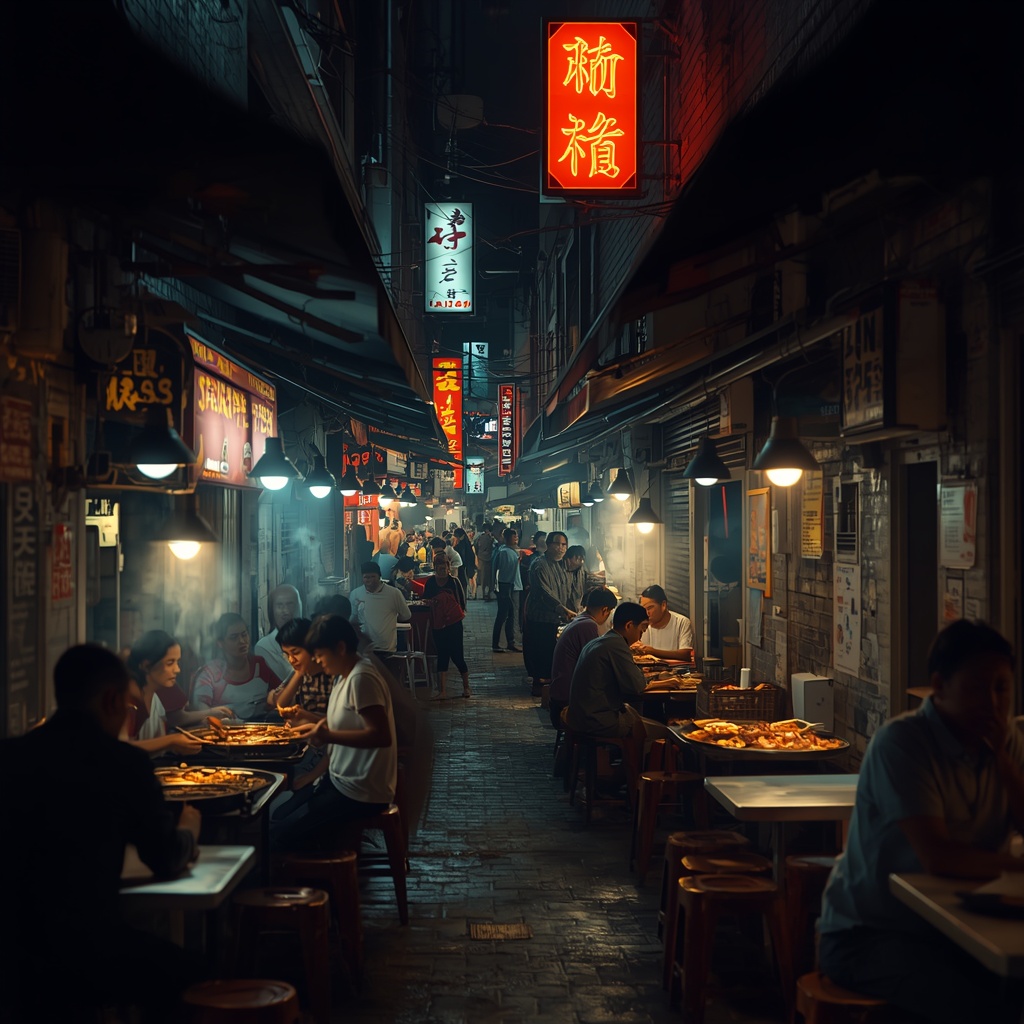
Hidden Street Food Spots That Quietly Rule Every Local Food Scene continue to attract loyal crowds because they serve unforgettable flavors without flashy marketing or expensive branding. Travelers chase famous restaurants, yet locals often line up beside tiny carts, alley grills, and family-run stalls that deliver authentic meals every single day. – fridascocina
These hidden gems rarely appear in glossy travel magazines. However, they dominate local taste through consistency, creativity, and bold seasoning that people remember long after the last bite.
Why Secret Street Food Locations Keep Winning
Street food culture thrives because it connects directly with daily life. Vendors cook close to customers, use fresh ingredients, and create meals with strong cultural identity.
Unlike chain restaurants, hidden food stalls adapt quickly. They experiment with spice levels, sauces, and cooking techniques based on local preferences. As a result, communities develop emotional connections with these places.
What Makes Locals Return Again and Again?
Several factors shape customer loyalty:
- Affordable prices
- Fast preparation
- Strong flavors
- Handmade recipes
- Friendly conversations
- Late-night availability
People often trust recommendations from neighbors more than online advertisements. That trust gives underground food spots enormous influence.
The Real Flavor Often Lives in Small Alleys
Tourists usually search crowded districts first. Meanwhile, experienced food lovers walk deeper into residential streets where authentic vendors operate quietly.
Hidden Corners Create Better Food Experiences
Street vendors in hidden neighborhoods often focus entirely on food quality instead of visual presentation. They cook with confidence because local customers already know their reputation.
You might find:
- Smoky grilled skewers beside motorbike parking lots
- Handmade dumplings near train stations
- Spicy noodle carts under old bridges
- Traditional desserts inside narrow market lanes
Those places rarely depend on viral trends. Instead, they survive through genuine taste.
How Street Food Vendors Build Legendary Reputation
Many famous hidden vendors started with almost nothing. Some operated from wooden carts for decades before social media discovered them.
Family Recipes Shape Local Identity
Generational cooking traditions remain one of the biggest strengths behind hidden food stalls. Grandparents pass recipes down carefully, preserving flavor profiles that modern restaurants cannot easily replicate.
Secret Sauces Often Define Success
A single homemade chili paste or broth recipe can separate one stall from hundreds of competitors. Customers remember signature flavors instantly.
That uniqueness builds long-term popularity naturally.
Street Food Culture Reflects the Soul of a City
Food reveals how people live, celebrate, and socialize. Hidden vendors become cultural symbols because they represent real community habits.
In many cities, workers gather around food carts after midnight. Students visit noodle stalls during exam season. Families buy traditional snacks every weekend.
These routines transform small vendors into essential parts of urban identity.
Where Authentic Food Stories Usually Begin
Authentic food stories often emerge from:
- Traditional marketplaces
- Railway districts
- Harbor neighborhoods
- Night markets
- Residential alleys
- Community festivals
Each area creates its own flavor traditions and cooking style.
Why Viral Restaurants Cannot Replace Hidden Vendors
Social media boosts trendy restaurants quickly. However, hidden food stalls maintain stronger local loyalty because they prioritize substance over decoration.
Authenticity Beats Presentation
People forgive plastic chairs and simple tables when the food tastes incredible. Hidden vendors understand this reality very well.
Customers care more about:
- Crispy texture
- Rich aroma
- Balanced spices
- Fresh ingredients
- Consistent portions
The experience feels personal rather than commercial.
The Role of Night Markets in Local Taste Trends
Night markets act like experimental kitchens for local communities. Vendors compete directly beside each other, forcing everyone to improve quality constantly.
Street Competition Creates Better Food
When five noodle vendors operate on the same street, customers become highly selective. Only the best flavors survive long term.
That competitive environment improves:
- Cooking speed
- Ingredient freshness
- Portion quality
- Recipe innovation
As a result, hidden street food scenes continue evolving every year.
How Travelers Can Find the Best Hidden Food Spots
Finding authentic street food requires patience and observation.
Watch Where Local Crowds Gather
Long queues often reveal reliable vendors. Busy stalls usually indicate freshness because ingredients rotate quickly throughout the day.
Smart Food Hunters Follow These Clues
Look for:
- Vendors with repeat customers
- Crowded seating areas
- Freshly prepared ingredients
- Smoke and cooking aroma
- Limited menus with specialization
A small menu often signals mastery.
Hidden Street Food Spots Often Create Unexpected Trends
Some underground vendors influence national food culture without realizing it. Their recipes inspire restaurants, social media creators, and even packaged snack brands.
Local Favorites Can Become Global Obsessions
Several internationally famous dishes started as humble street meals:
- Tacos from roadside grills
- Ramen from compact stalls
- Satay from market vendors
- Fried dumplings from street carts
Street innovation constantly reshapes global food trends.
Why Street Food Feels More Memorable Than Fine Dining
Luxury restaurants deliver polished experiences. Street food delivers emotional connection.
People remember:
- The smell of charcoal smoke
- The sound of sizzling oil
- Midnight conversations beside food carts
- Spicy sauces dripping onto paper plates
Those details create stronger memories than expensive table settings.
Simplicity Creates Emotional Impact
Street vendors focus on one mission: serving food people genuinely crave.
That simplicity often produces extraordinary flavor.
Best Times to Explore Hidden Food Districts
Timing matters when searching for authentic local street food.
Morning Markets Offer Traditional Classics
Breakfast vendors usually serve heritage recipes with minimal modern influence.
Popular morning dishes include:
- Rice porridge
- Fresh pastries
- Fried dough snacks
- Herbal soups
Late Nights Reveal the Real Food Scene
Nighttime exposes the most energetic street food culture. Workers, students, musicians, and travelers gather around late-night vendors seeking comfort meals.
This atmosphere feels raw, social, and unforgettable.
FAQ About Hidden Street Food Spots
Why do hidden street food vendors taste better?
Many vendors specialize in only one or two dishes. That focus helps them perfect recipes through years of repetition and customer feedback.
How can travelers safely enjoy street food?
Choose busy stalls with fresh ingredients and visible cooking processes. High customer turnover often indicates safer food preparation.
Are hidden street food spots cheaper than restaurants?
Yes. Most street vendors operate with lower overhead costs, allowing them to offer affordable meals without sacrificing flavor quality.
Why do locals protect secret food locations?
Locals often value authenticity and fear overcrowding from excessive tourism. Some hidden spots maintain quality by staying relatively unknown.
What foods dominate most street markets?
Grilled meat, noodles, fried snacks, soups, dumplings, seafood, and regional desserts commonly dominate local street food culture.
Hidden Street Food Spots That Quietly Rule Every Local Food Scene continue shaping culinary culture because they deliver authenticity, emotional connection, and unforgettable flavor without depending on massive promotion. These small vendors preserve traditions, inspire food trends, and unite communities through simple yet powerful meals. Anyone searching for the true taste of a city should skip the obvious tourist traps and follow the aroma drifting from crowded side streets instead.