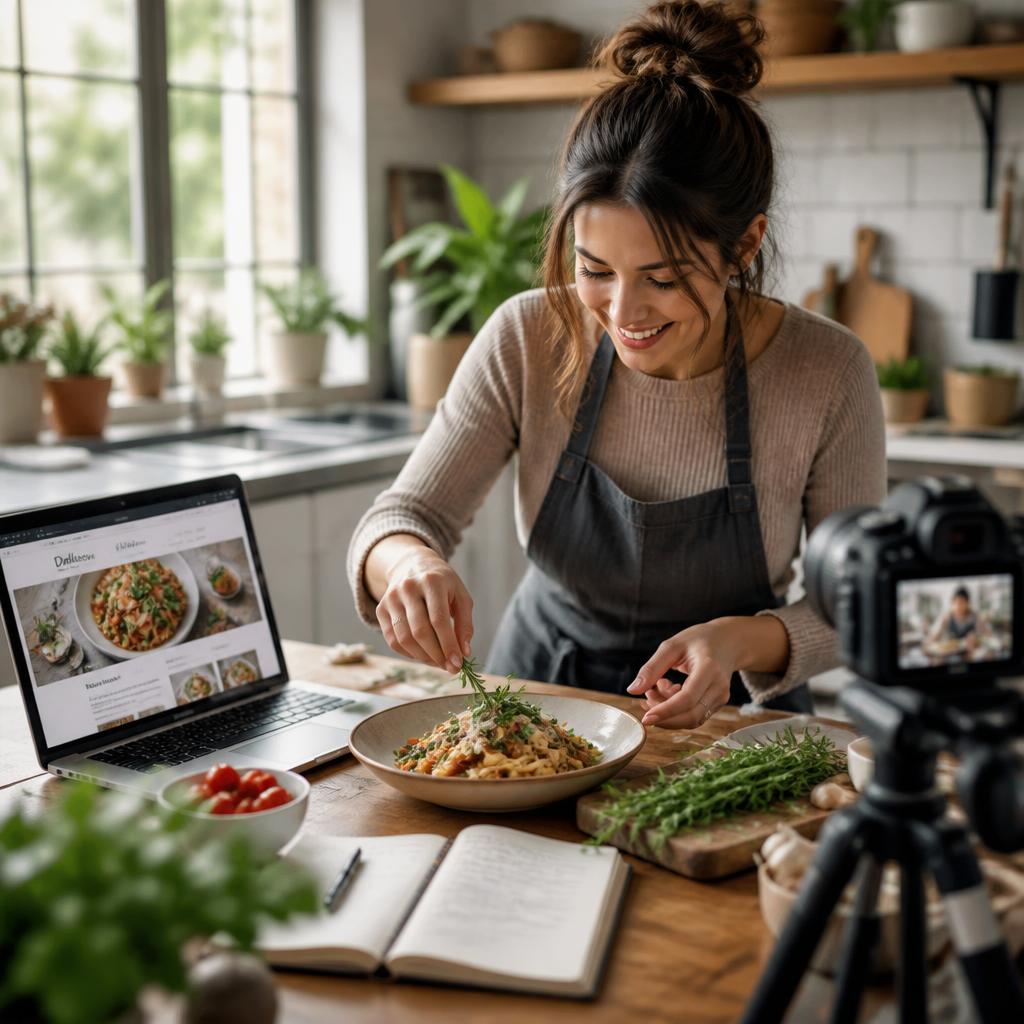
A Food Blog is more than a collection of recipes. It is a place where food lovers connect, learn new cooking techniques, and find inspiration for every meal. Whether you are a home cook, professional chef, or passionate foodie, building a strong food-focused platform can help you share your expertise with a wider audience. – fridascocina
Why Food Blogging Continues to Grow
The popularity of food content keeps increasing because people constantly search for meal ideas, cooking tips, and restaurant recommendations. Readers want trustworthy information that helps them prepare delicious dishes at home.
Moreover, food content appeals to all age groups. From quick breakfasts to gourmet dinners, there is always demand for fresh culinary inspiration.
What Makes a Food Blog Successful?
A successful Food Blog combines useful information with engaging storytelling. Readers are not only interested in ingredients and instructions; they also want to know the story behind the dish.
Authentic Experiences Matter
Personal experiences create stronger connections with readers. Sharing family traditions, cooking challenges, or favorite ingredients makes content more relatable.
Consistent Content Publishing
Regular updates encourage visitors to return. Weekly recipes, seasonal meal guides, and cooking tutorials help maintain audience engagement.
Choosing the Right Food Niche
One of the first decisions every food blogger must make is selecting a niche.
Healthy Eating
Health-conscious readers frequently search for nutritious recipes and balanced meal plans.
Budget-Friendly Cooking
Many families look for affordable meals that are easy to prepare without sacrificing flavor.
International Cuisine
Global dishes attract adventurous food lovers who want to explore new flavors from different cultures.
Specialty Diets
Vegan, keto, gluten-free, and vegetarian recipes continue to gain popularity across search engines.
How to Create High-Quality Recipe Content
Creating valuable content requires more than simply listing ingredients.
Use Clear Step-by-Step Instructions
Readers appreciate detailed directions that simplify the cooking process. Break recipes into manageable steps and explain important techniques.
Include Preparation Details
Explain preparation time, cooking duration, serving size, and storage recommendations. This information improves the user experience and helps readers plan meals efficiently.
Add Helpful Cooking Tips
Practical suggestions can prevent common mistakes and increase recipe success rates.
The Importance of Food Photography
Visual appeal plays a crucial role in food blogging. Attractive images encourage readers to stay longer and share content.
Natural lighting often produces the best results. Furthermore, clean backgrounds and thoughtful composition help highlight the food itself. High-quality photography can significantly improve engagement rates.
SEO Strategies for Food Bloggers
Search engine optimization helps recipes reach a larger audience.
Target Relevant Keywords
Instead of focusing solely on broad terms, include specific keyword variations such as healthy dinner recipes, easy family meals, or homemade dessert ideas.
Optimize Headings and Structure
Well-organized headings make articles easier to read and help search engines understand the content hierarchy.
Improve User Experience
Fast-loading pages, mobile-friendly layouts, and easy navigation contribute to better rankings and visitor satisfaction.
A great example of contextual content placement is linking readers to expert recipe development techniques when discussing advanced cooking methods and culinary creativity.
Building Trust With Readers
Trust is essential for long-term success.
Readers appreciate transparent ingredient recommendations, honest reviews, and tested recipes. When visitors consistently achieve good results from your instructions, they are more likely to return and share your content with others.
Leveraging Social Media for Growth
Social media platforms provide excellent opportunities to promote food content.
Short recipe videos, cooking demonstrations, and behind-the-scenes kitchen moments often generate strong engagement. Additionally, social channels can drive significant traffic back to your website.
Which Platforms Work Best?
Instagram excels for food photography, while video-focused platforms are ideal for recipe tutorials. Meanwhile, Pinterest remains highly effective for recipe discovery and long-term traffic generation.
Common Mistakes New Food Bloggers Should Avoid
Many beginners focus only on publishing recipes without considering audience needs.
Some common mistakes include:
- Poor-quality images
- Inconsistent posting schedules
- Lack of keyword research
- Overly complex recipe instructions
- Ignoring reader feedback
Avoiding these issues can accelerate growth and improve user satisfaction.
Monetization Opportunities
A growing Food Blog can generate income through multiple channels.
Sponsored Content
Brands often collaborate with bloggers who have engaged audiences.
Affiliate Marketing
Kitchen tools, ingredients, and cooking equipment can create additional revenue opportunities through affiliate partnerships.
Digital Products
Recipe ebooks, meal planners, and online cooking courses offer scalable income streams for experienced creators.
Frequently Asked Questions
What is a Food Blog?
A Food Blog is a website or online platform dedicated to recipes, cooking advice, food reviews, culinary experiences, and related content.
Who should start a Food Blog?
Anyone passionate about cooking, baking, nutrition, or food culture can start a food-focused website and build an audience.
How often should I publish new content?
Publishing at least one high-quality article or recipe per week helps maintain consistency and encourages repeat visits.
Why is food photography important?
Food photography improves visual appeal, increases engagement, and encourages readers to share content across social media platforms.
How long does it take to grow a Food Blog?
Growth varies depending on content quality, SEO strategy, consistency, and promotion efforts. Many blogs begin seeing meaningful traffic within several months of regular publishing.
Building a successful Food Blog requires a combination of valuable recipes, engaging storytelling, effective SEO, and consistent audience engagement. By focusing on reader needs, creating high-quality content, and continuously improving your culinary expertise, a Food Blog can become a trusted destination for food lovers while creating exciting opportunities for long-term growth.