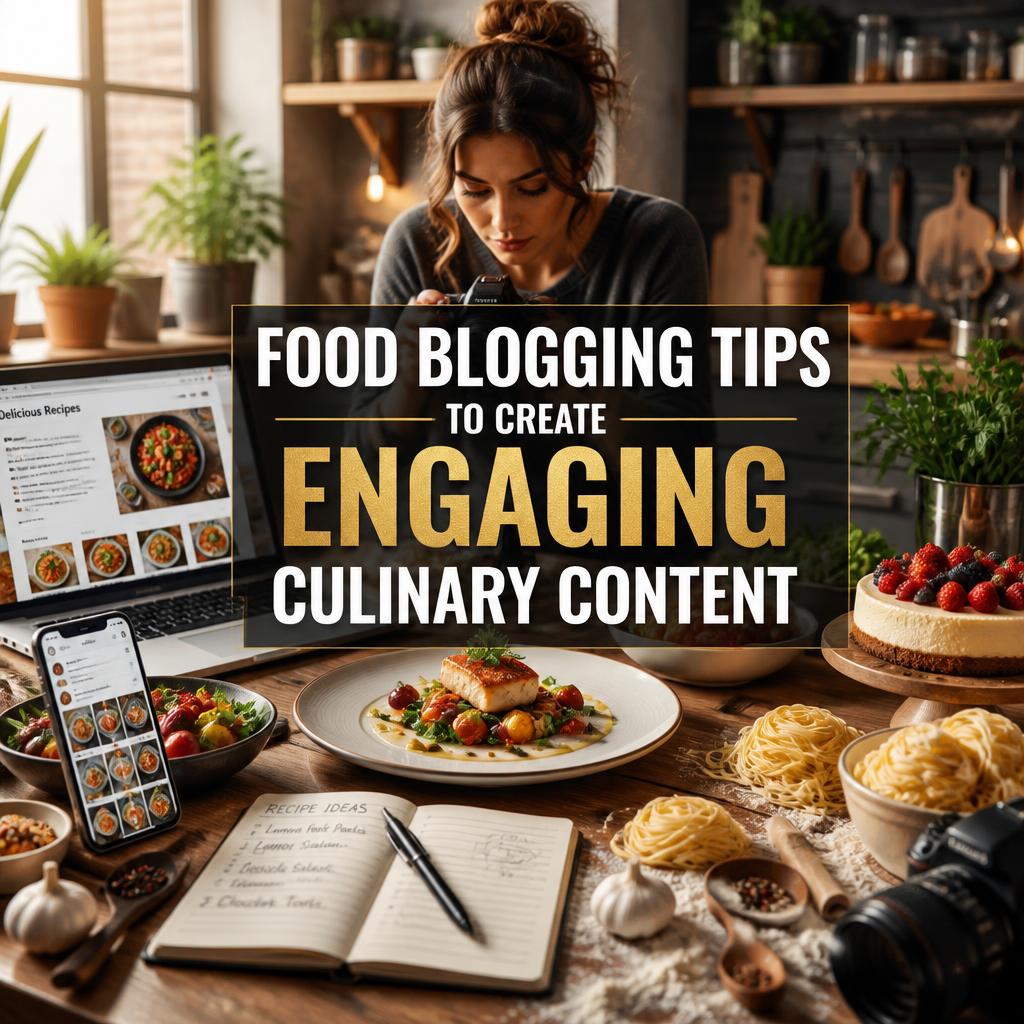
Food Blogging Tips to Create Engaging Culinary Content can help aspiring creators transform simple recipes and kitchen experiences into memorable stories that attract readers. In today’s digital world, food blogs are not only about sharing ingredients and cooking steps. They are about creating a connection through flavors, personal experiences, photography, storytelling, and useful culinary knowledge that readers can enjoy and trust. – fridascocina.com
A successful food blog combines creativity with strategy. Whether you are a home cook, professional chef, or culinary enthusiast, understanding how to present food content effectively can make your blog stand out among thousands of similar websites. The right approach includes choosing interesting topics, creating visually appealing content, and sharing information that answers what readers are searching for.
Understanding the Purpose of Modern Food Blogging
Food blogging has evolved far beyond traditional recipe sharing. Today, readers want more than a list of ingredients. They are interested in the story behind a dish, cultural backgrounds, cooking techniques, nutritional information, and practical advice.
A modern culinary blog often combines elements of gastronomy, food science, and lifestyle content. Bloggers need to understand their audience and create articles that provide value while maintaining an enjoyable reading experience.
For example, a recipe article about homemade pasta can include the origin of pasta, the best flour types, common mistakes, and personal cooking experiences. These additional details make the content richer and more engaging.
Why Engaging Culinary Content Matters for Food Bloggers
Creating engaging content helps build a loyal community around your food blog. Readers are more likely to return when they feel connected to the creator and find useful information.
Strong culinary content can provide several benefits:
- Increase reader interaction through comments and discussions.
- Encourage social media sharing.
- Build credibility within the food industry.
- Improve visibility in search engines.
- Create opportunities for brand collaborations.
A food blog is not only a digital recipe book. It is a platform where personality, expertise, and creativity come together.
Finding Unique Food Topics That Attract Readers
Research Popular Culinary Trends and Reader Interests
One of the first steps in creating successful food content is selecting topics that people genuinely want to read. Food trends change constantly, from healthy meal preparation to international cuisine exploration.
Popular ideas often include:
- Easy family dinner recipes.
- Traditional dishes with modern twists.
- Budget-friendly cooking guides.
- Restaurant-inspired recipes.
- Seasonal food recommendations.
Using tools such as keyword research and social media observation can help identify what audiences are currently interested in.
Create a Personal Angle for Every Article
Many food bloggers write about similar dishes, but the personal perspective creates uniqueness. Instead of simply explaining how to cook a chocolate cake, share why the recipe matters, how you discovered it, or what makes your version different.
Personal storytelling creates emotional connections and makes readers feel like they are experiencing the cooking journey with you.
Building High-Quality Food Articles With Strong Structure
Start With an Interesting Introduction
The opening paragraph should immediately capture attention. Instead of starting with a basic statement, create curiosity by describing a problem, memory, or exciting culinary experience.
For example, a food blogger could begin by explaining how a childhood meal inspired a new recipe idea. This approach encourages readers to continue exploring the article.
Use Clear Sections and Helpful Subheadings
Long articles become easier to read when divided into organized sections. Subheadings guide readers and help them quickly find the information they need.
A detailed culinary article may include:
- Recipe background.
- Required ingredients.
- Cooking preparation.
- Step-by-step methods.
- Expert tips.
- Serving suggestions.
This structure improves readability and creates a better experience for visitors.
Creating Attractive Food Photography and Visual Content
Food is highly visual, which makes photography one of the most important elements of culinary blogging. Beautiful images can encourage visitors to stay longer and interact with your content.
Good food photography usually focuses on:
- Proper lighting.
- Natural colors.
- Creative composition.
- Clear presentation.
- Appealing textures.
Understanding basic photography concepts like depth of field, color balance, and visual hierarchy can significantly improve your images.
A simple homemade dish can look professional when presented with the right background, angles, and styling techniques.
Mastering Storytelling Techniques in Culinary Writing
Storytelling is what separates ordinary food articles from memorable ones. Readers enjoy learning about experiences, traditions, and emotions connected to food.
A strong culinary story may include:
- The history of a recipe.
- Family traditions.
- Cultural influences.
- Personal cooking challenges.
- Unexpected discoveries.
When writing about food, imagine that you are having a conversation with a friend. This natural approach makes the article feel warmer and less mechanical.
Using SEO Strategies Without Losing Creativity
Search optimization is important for helping readers discover your content. However, the writing should always feel natural and enjoyable.
A good food blogger balances keywords with authentic storytelling. For instance, phrases related to recipes, cooking methods, and ingredients can appear naturally throughout the article.
One important approach for improving visibility is creating detailed guides. A comprehensive article usually answers multiple questions readers may have instead of focusing on only one small topic.
For bloggers who want to improve their online presence, creating Food Blogging Tips to Create Engaging Culinary Content can become a valuable strategy for developing stronger articles, attracting more visitors, and building authority within the culinary community.
Improving Reader Engagement Through Interactive Features
Encourage Comments and Community Discussions
A successful food blog creates two-way communication. Asking readers questions at the end of articles can encourage them to share opinions.
Examples include:
- “What is your favorite version of this recipe?”
- “Have you tried this cooking technique before?”
- “Which ingredient would you add?”
These simple interactions can create a stronger relationship between bloggers and their audience.
Use Social Media to Expand Culinary Reach
Food content performs extremely well on visual platforms. Short videos, recipe demonstrations, and behind-the-scenes cooking moments can attract new audiences.
Platforms focused on images and videos allow bloggers to showcase:
- Cooking processes.
- Recipe transformations.
- Kitchen tips.
- Food presentation ideas.
Consistency is important because regular posting helps maintain audience interest.
Exploring Food Science and Culinary Knowledge
Adding scientific information can make food articles more valuable. Understanding basic culinary chemistry allows bloggers to explain why certain techniques work.
Examples include:
- How fermentation changes flavor.
- Why baking ingredients react differently.
- How temperature affects cooking results.
- Why certain combinations create better taste.
These details provide educational value and help readers improve their own cooking skills.
Common Mistakes Food Bloggers Should Avoid
Even creative bloggers can make mistakes that reduce content quality. Some common problems include:
Writing Only for Search Engines
Content should prioritize human readers. Overusing keywords can make articles uncomfortable to read and reduce trust.
Ignoring Visual Presentation
A great recipe without appealing images may fail to capture attention. Visual quality plays a major role in food-related content.
Not Updating Older Articles
Food trends and preferences change over time. Updating old posts with new tips, photos, and information can keep them relevant.
Creating a Long-Term Strategy for Food Blogging Success
Successful food blogging requires patience and consistent improvement. Bloggers should continue learning about writing, photography, cooking trends, and audience behavior.
A long-term approach includes:
- Publishing regularly.
- Testing different content formats.
- Studying reader responses.
- Improving storytelling skills.
- Building a recognizable personal style.
Over time, these efforts can transform a simple food blog into a trusted culinary destination.
Building Memorable Culinary Experiences Through Content
Food blogging is an exciting journey that combines creativity, knowledge, and human connection. By applying effective Food Blogging Tips to Create Engaging Culinary Content, creators can produce articles that inspire readers, share meaningful experiences, and bring delicious ideas to life. A successful culinary blog is not only about food itself but also about the stories, emotions, and discoveries that make every dish special.