When Pasta Talks Back: Chaos & Laughs in Recipes Culinary Stories
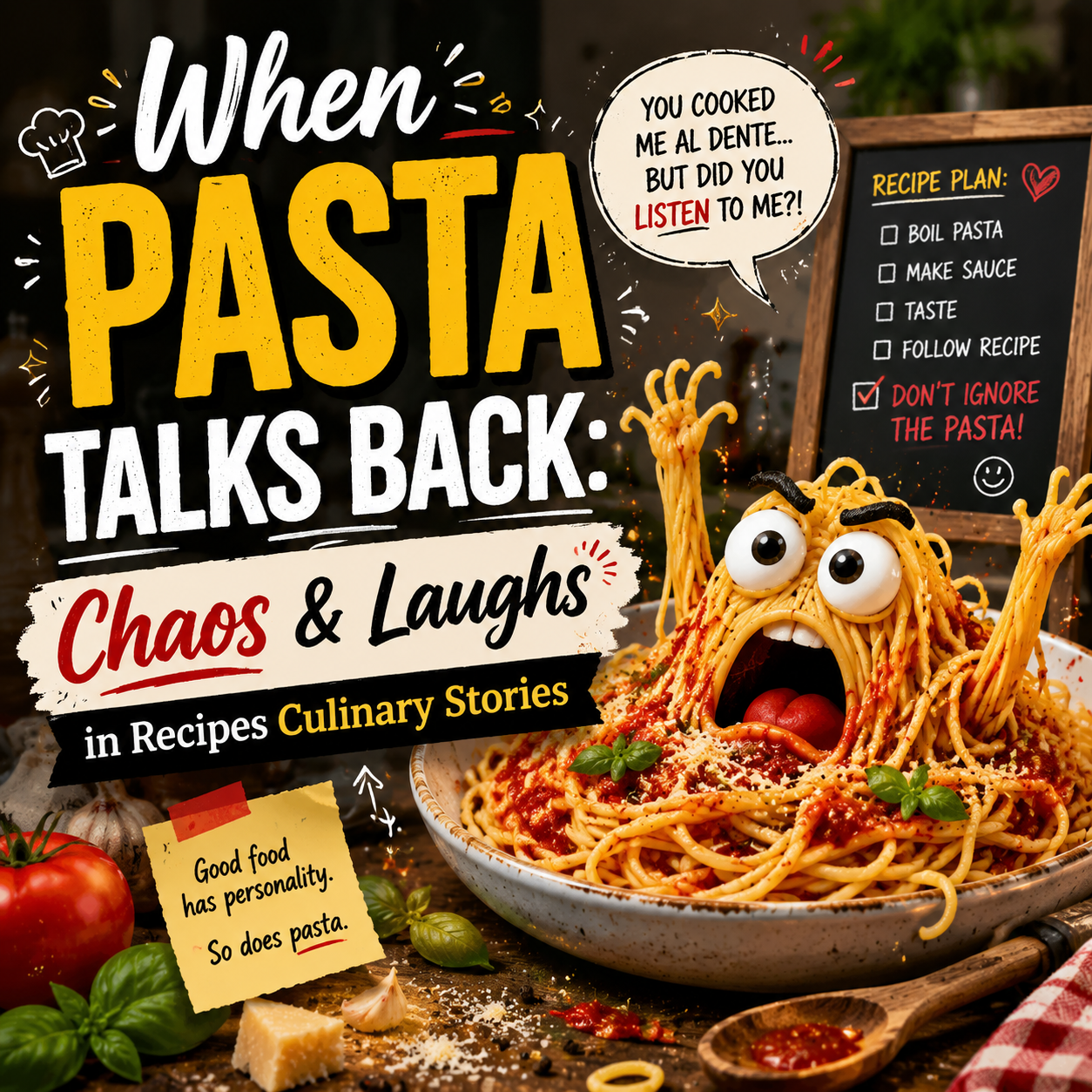
When Pasta Talks Back: Chaos & Laughs in Recipes Culinary Stories is not just a funny headline—it reflects how food, humor, and storytelling blend into everyday cooking moments. This article dives into how simple meals turn into unforgettable memories, where spilled sauce, overcooked noodles, and family jokes become part of a bigger narrative that connects people across cultures. – fridascocina
In kitchens around the world, cooking is rarely perfect. Yet that imperfection is exactly what makes it human, relatable, and worth sharing.
The Origins of Kitchen Chaos
Cooking stories have existed for centuries, long before food blogs or social media. In ancient households, recipes were passed down verbally, often mixed with personal anecdotes, mistakes, and improvisations.
Who Is Behind Culinary Storytelling?
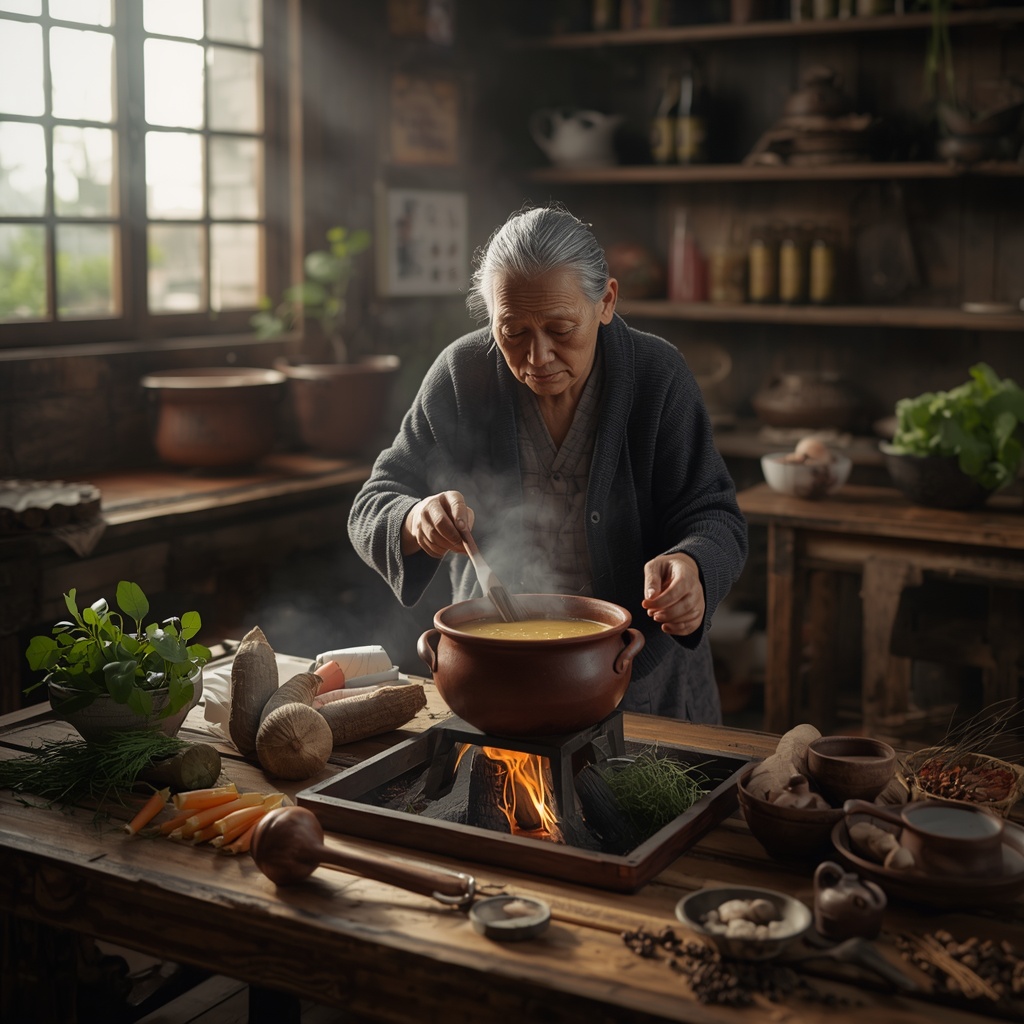
The “authors” of culinary stories are everyday people—home cooks, street vendors, professional chefs, and even travelers. Each of them brings a unique voice shaped by culture, location, and experience. A grandmother in Italy, a street vendor in Bangkok, or a student cooking instant noodles at midnight—all contribute to the global food narrative.
What Makes a Recipe a Story?
A recipe becomes a story when it carries emotion. It’s not just “add salt and boil water,” but “this is how my mother taught me during rainy evenings.” That emotional layer transforms instructions into memories.
Global Food Culture and Everyday Moments
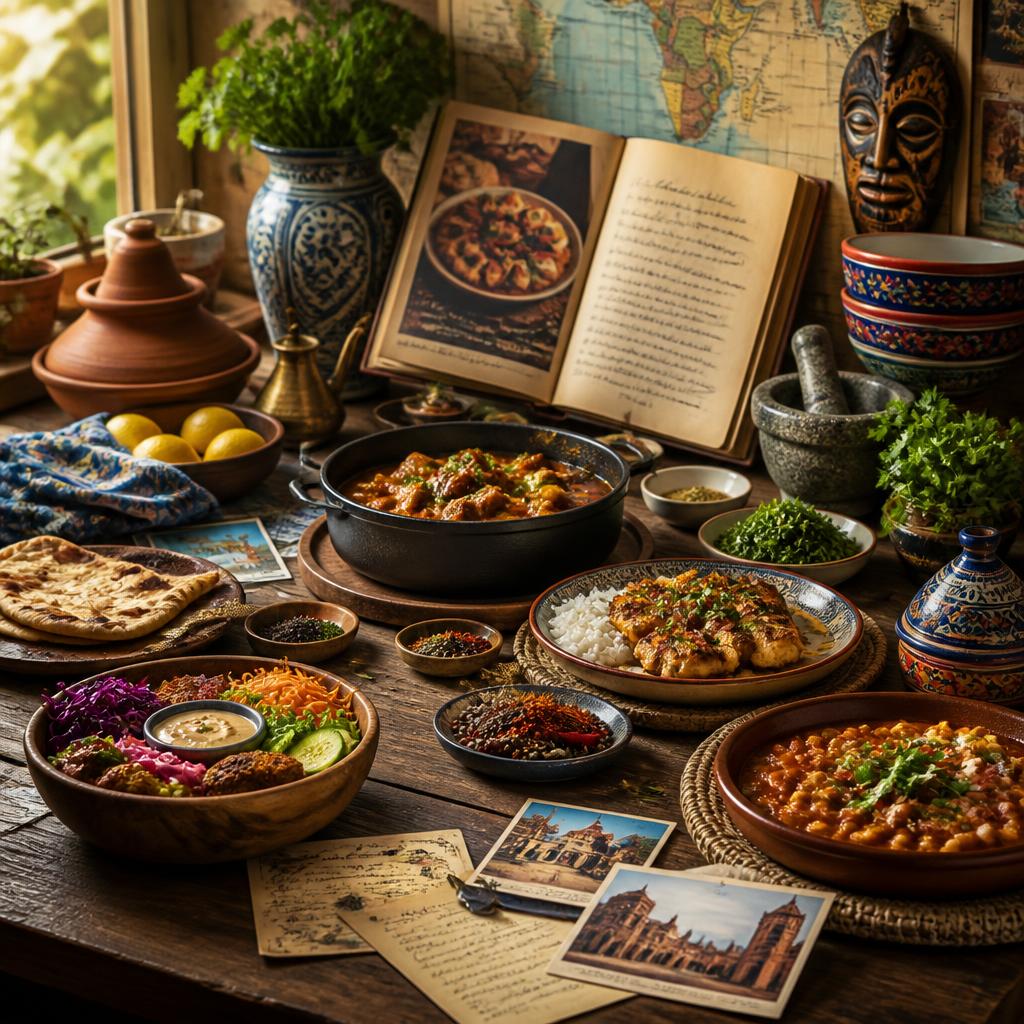
Food culture is deeply tied to geography and time. What people eat in Tokyo differs vastly from what’s served in Mexico City or Istanbul, yet the storytelling aspect remains universal.
Street Food vs Home Cooking
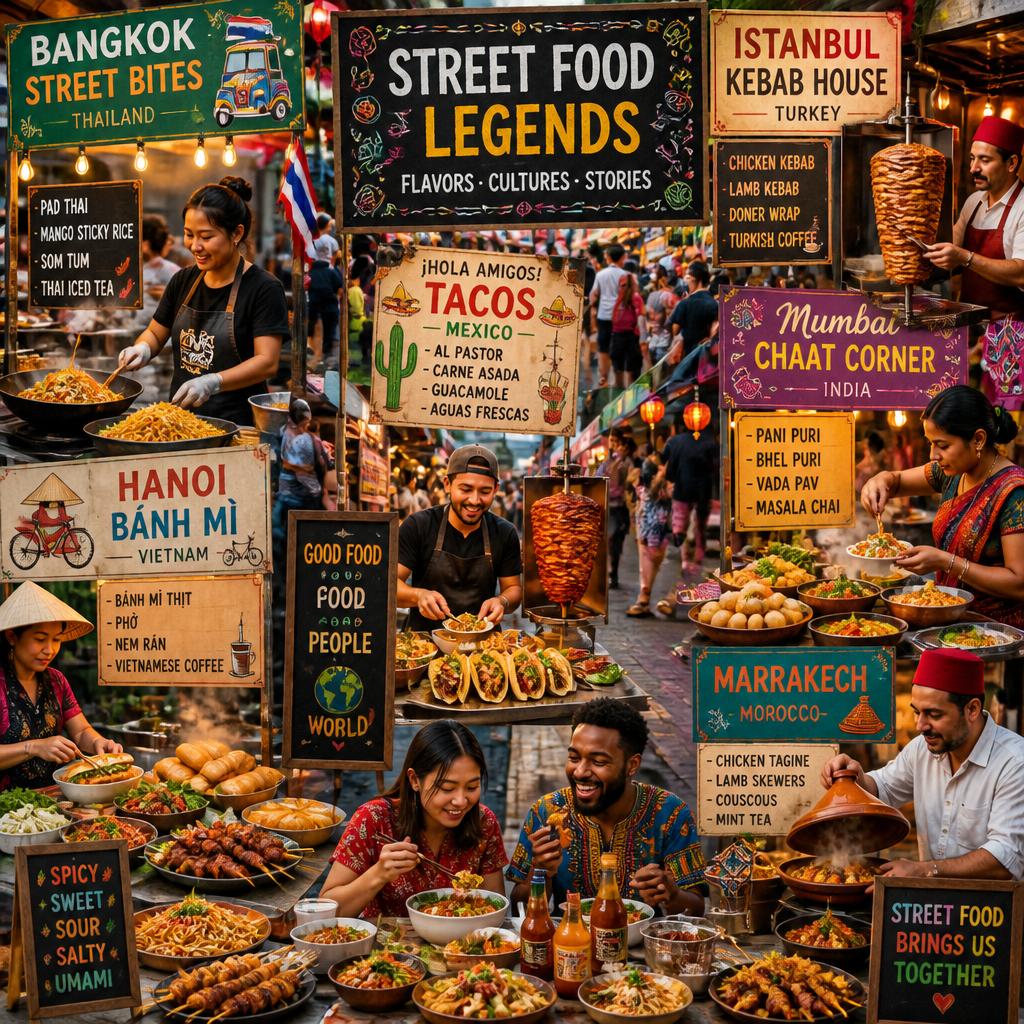
Street food represents spontaneity and survival creativity, while home cooking represents tradition and comfort. Both styles carry their own narrative rhythm—one fast and vibrant, the other slow and nostalgic.
Why Stories Matter in Cooking
Stories help preserve identity. Without them, recipes are just lists. With them, they become living traditions passed through generations, evolving but never losing their essence.
The Science Behind Taste and Memory
Food is not just cultural—it is biological. Our taste perception is influenced by chemical reactions, sensory input, and emotional memory.
Flavor Chemistry and Human Perception
Taste depends on umami compounds, volatile aromatic molecules, and even psychological associations. The smell of garlic frying in oil can trigger childhood memories faster than any photograph.
Sensory Memory and Emotional Response
The brain connects food with emotions through the limbic system, which explains why comfort food feels comforting. It’s not just hunger—it’s neuroscience at work.
Digital Era and Food Blogging Explosion
In the modern world, food storytelling has moved online, where visuals and narratives blend into engaging content.
Here, Recipes & Culinary Stories have become a powerful form of digital expression that combines photography, writing, and cultural identity into one experience shared across platforms.
Social media platforms amplify these stories instantly, allowing a homemade dish in one country to inspire someone halfway across the globe.
How to Create Your Own Culinary Narrative
Anyone can turn cooking into storytelling by focusing on detail, emotion, and context.
Start with Personal Experience
Think about why you are cooking a dish. Is it nostalgia, curiosity, or survival? That intention becomes the backbone of your story.
Add Cultural and Emotional Layers
Mention where the recipe comes from, who taught it, or what moment inspired it. Even small details make a huge difference.
Embrace Imperfection
Burnt edges, missing ingredients, or accidental twists often make the best stories. Perfection is boring; imperfection is memorable.
Modern Trends in Culinary Expression
Today’s food culture is shaped by innovation, technology, and global exchange.
Social Media Influence
Platforms like short-form video apps have turned cooking into performance art. Recipes are no longer just followed—they are watched, remixed, and recreated.
Fusion Cuisine and Experimentation
Chefs and home cooks alike are mixing flavors from different cultures, creating hybrid dishes that reflect globalization. Think sushi tacos or kimchi burgers—unexpected but exciting combinations.
The Emotional Power of Shared Meals
Eating together remains one of the most universal human experiences. It builds trust, strengthens relationships, and creates shared memories.
Food as Communication
Even without words, food communicates care, celebration, and belonging. A simple homemade meal can say more than a long conversation.
Community and Belonging
From family dinners to street food gatherings, meals create spaces where people connect beyond language and background.
The Future of Culinary Storytelling
As technology evolves, culinary storytelling will likely become even more immersive. Virtual reality cooking classes, AI-assisted recipe creation, and global food communities will reshape how we experience food narratives.
Blending Tradition with Innovation
Even with advanced tools, the heart of cooking remains the same: sharing something meaningful through food.
Final Thoughts on Culinary Expression
Cooking is more than preparing meals—it is storytelling in its purest form. Every stir, every spice, and every mistake adds to a narrative that connects people across time and place. Whether it’s a family recipe or a viral food trend, the essence remains the same: sharing life through flavor.
In the end, When Pasta Talks Back: Chaos & Laughs in Recipes Culinary Stories reminds us that the kitchen is not just a place to cook, but a stage where memories, culture, and creativity come alive.