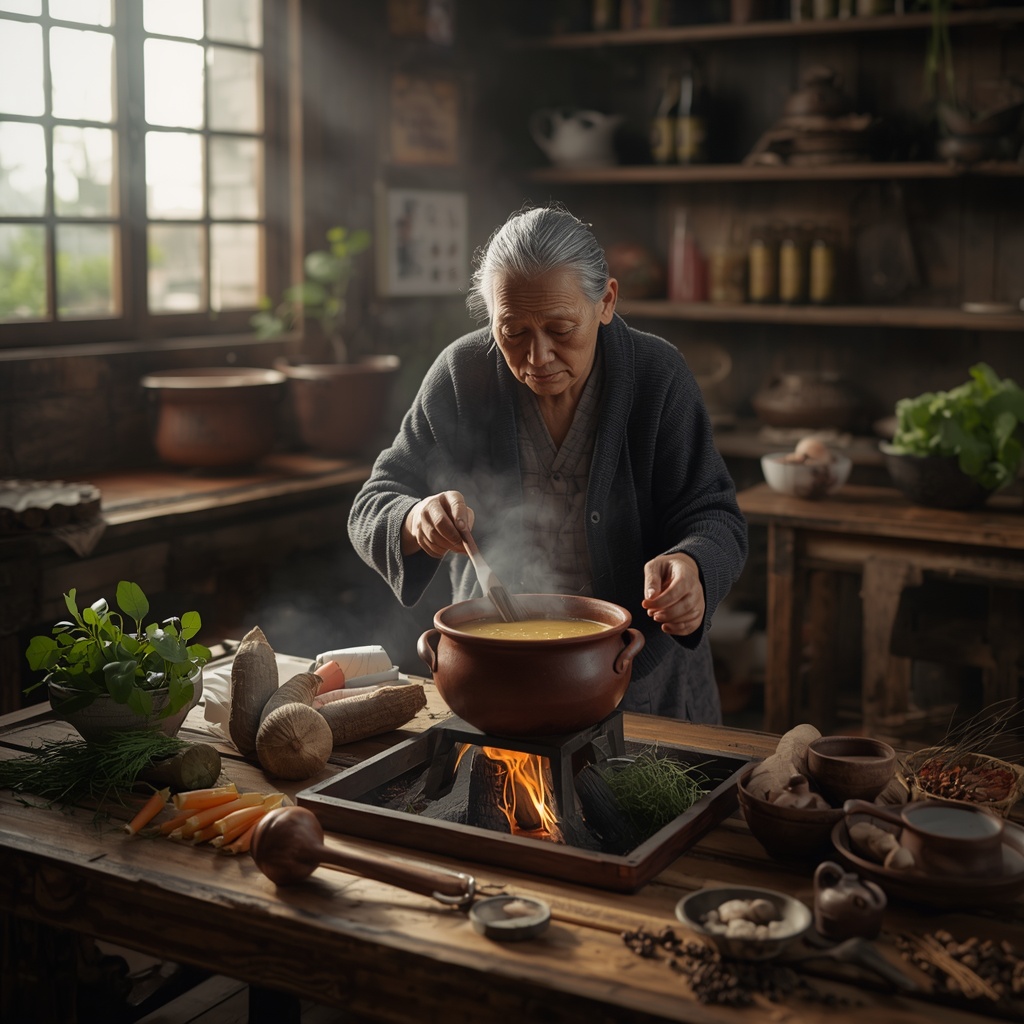
Forgotten Village Soup Recipes That Quietly Defeat Modern Diet Trends continue to attract attention because many people now feel tired of complicated eating rules and expensive wellness programs. Instead of depending on processed products or restrictive meal plans, old village communities created simple soups that naturally supported health, stamina, and digestion. As a result, these traditional recipes often delivered balanced nutrition without requiring modern supplements or trendy diet systems.
Today, people constantly chase viral food trends. However, many of those trends disappear quickly because they feel difficult, expensive, or unrealistic. Meanwhile, village soups survived for generations because families could cook them easily using local ingredients. More importantly, these soups kept communities strong during hard physical work, cold seasons, and limited food supplies. – fridascocina
Because of that history, many nutrition-conscious people now return to traditional soup recipes for practical and long-term wellness.
Why Traditional Village Soups Are Becoming Popular Again
Modern consumers increasingly prefer natural foods over heavily processed meals. Therefore, traditional soups have started gaining attention again.
At the same time, people want meals that feel comforting, affordable, and easy to prepare.
People Want Real Food Again
Many modern diets focus too heavily on counting calories, removing carbohydrates, or replacing meals with powders. Consequently, people often feel frustrated and exhausted.
Village soups solve this problem because they use real ingredients such as:
- Fresh vegetables
- Herbs
- Grains
- Beans
- Bones
- Fish
- Natural spices
Because the ingredients stay simple, the meals feel more satisfying and sustainable.
Traditional Soups Fit Modern Lifestyles
Although village soups come from ancient traditions, they actually fit modern routines surprisingly well. For example, busy workers can prepare large batches in advance and store them for several days.
As a result, people save both time and money while eating healthier meals.
What Makes Rustic Soups Better Than Trendy Diet Foods?
Traditional village soups focus on balance instead of restriction. Meanwhile, many trendy diets force people to avoid entire food groups.
Village Soups Deliver Balanced Nutrition
Ancient communities combined vegetables, proteins, herbs, and healthy carbohydrates into one pot. Consequently, these soups provided stable energy and long-lasting fullness.
Unlike many modern diets, village soups rarely created extreme eating patterns.
Rustic Ingredients Support Natural Health
Traditional recipes often included ingredients rich in nutrients, such as:
- Garlic
- Ginger
- Lentils
- Root vegetables
- Bone broth
- Wild herbs
These foods naturally supported digestion, hydration, and recovery.
Additionally, people consumed them daily instead of treating them like temporary wellness hacks.
How Ancient Villages Built Healthy Eating Habits
Village communities understood how to maximize nutrition using simple methods.
They Used Seasonal Ingredients
Instead of importing expensive foods, villagers cooked with whatever nature provided during each season.
For example:
- Cold seasons included heavier root vegetables and bone broths
- Warm seasons focused on greens, herbs, and fish soups
Because of this seasonal balance, people naturally consumed diverse nutrients throughout the year.
They Avoided Food Waste
Village cooks rarely wasted ingredients. Instead, they transformed leftover vegetables, bones, grains, and herbs into filling soups.
As a result, families stretched food supplies efficiently while still eating nutritious meals.
The Powerful Nutrition Hidden Inside Traditional Broths
Many forgotten soups contained nutrients that modern wellness brands now sell separately as expensive supplements.
Bone Broth Added Strength and Recovery
Slow-cooked bones released:
- Collagen
- Gelatin
- Calcium
- Magnesium
- Amino acids
Therefore, these soups helped support joints, muscles, digestion, and energy levels.
Herbs Added Flavor and Wellness
Village cooks frequently added turmeric, lemongrass, garlic, ginger, and local herbs into their broths.
Consequently, soups gained stronger flavor without relying on artificial seasonings.
Forgotten Village Soups That Still Impress Today
Several traditional soup recipes still provide impressive nutritional value today.
Root Vegetable Bone Soup
This rustic recipe combined marrow bones with onions, potatoes, garlic, and root vegetables.
Why This Soup Worked So Well
- Bone broth delivered minerals and protein
- Root vegetables created lasting energy
- Herbs improved digestion naturally
- Slow cooking deepened flavor and nutrition
As a result, workers stayed energized throughout long farming days.
Fermented Herb Broth
Some rural communities fermented herbs and leafy greens before adding them into soup.
Because fermentation increased beneficial bacteria, these soups naturally supported gut health.
Wild Grain and Lentil Soup
Communities with limited meat access relied on lentils, barley, millet, and beans.
Even today, these soups remain affordable, filling, and nutrient-dense.
Coastal Fish Village Soup
Fishing villages often cooked fresh fish with coconut shoots, herbs, and vegetables.
Consequently, the soup provided healthy fats, minerals, and hydration in one simple meal.
Why Many Modern Diet Trends Fail Quickly
Modern diet programs often promise fast transformation. However, many of them become impossible to maintain.
Restrictive Rules Create Frustration
People eventually become tired of avoiding favorite foods or following strict meal schedules.
Therefore, many diets fail after only a short period.
Trend Diets Often Cost Too Much
Many modern systems require:
- Protein powders
- Meal replacement shakes
- Imported ingredients
- Paid subscriptions
Meanwhile, traditional soups use inexpensive ingredients available almost everywhere.
How Slow Cooking Creates Better Nutrition
Traditional cooking methods improved more than flavor alone.
Slow Simmering Improves Nutrient Absorption
When cooks simmer ingredients slowly, nutrients blend naturally into the broth. Consequently, the body absorbs minerals and amino acids more effectively.
Warm Soups Help Control Hunger
Soup naturally slows eating speed and increases fullness. As a result, people often avoid unhealthy snacking later in the day.
Who Should Add Traditional Soups Into Their Diet?
Almost everyone can benefit from rustic soups.
Busy Professionals
Large soup batches simplify meal preparation and reduce dependence on fast food.
Older Adults
Soft textures make soups easier to digest while still delivering strong nutrition.
Active Individuals
Protein-rich broths support muscle recovery after physical work or exercise.
Easy Steps to Cook Rustic Village Soups at Home
You do not need expensive tools or advanced cooking techniques.
Start With Basic Ingredients
Combine:
- Bones or beans
- Garlic
- Onion
- Seasonal vegetables
- Herbs
- Water
Then simmer everything slowly until the broth becomes rich and flavorful.
Keep the Soup Rustic
Traditional soups usually looked hearty and natural rather than perfectly smooth.
Therefore, avoid over-processing the ingredients.
Common Mistakes That Ruin Healthy Soups
Many people accidentally reduce the health benefits of traditional soups.
Adding Too Many Processed Ingredients
Avoid using excessive:
- Instant flavor packets
- Artificial sauces
- Processed meats
- Heavy cream
Instead, allow natural ingredients to create the flavor.
Cooking Too Fast
Quick boiling weakens texture and flavor depth. Meanwhile, slow simmering improves both nutrition and taste.
Where Traditional Soup Culture Still Survives
Several communities still preserve ancient soup traditions today.
You can still find authentic rustic soups in:
- Southeast Asian mountain villages
- Mediterranean farming regions
- Eastern European countryside towns
- African coastal communities
- Indigenous South American areas
In these places, soup remains part of daily life instead of becoming another temporary trend.
Why Simpler Food Often Creates Better Health
Modern food culture constantly promotes shortcuts and extreme solutions. However, traditional villages already understood something important: healthy food does not need complicated formulas.
Instead, balanced ingredients, slow cooking, and consistent habits often create better long-term results.
That is exactly why forgotten village soups continue to outperform many modern diet trends.
Forgotten Village Soup Recipes That Quietly Defeat Modern Diet Trends prove that simple food traditions still offer powerful health benefits today. While modern diets frequently rely on restrictions, expensive products, and temporary solutions, traditional village soups focus on nourishment, balance, and sustainability. Furthermore, these rustic recipes combine whole ingredients, slow cooking, and practical nutrition in ways that many modern wellness trends still fail to match. As more people search for realistic and healthier eating habits, forgotten village soups continue to show why old food wisdom still matters today.