The Meaning Behind Recipes & Culinary Stories
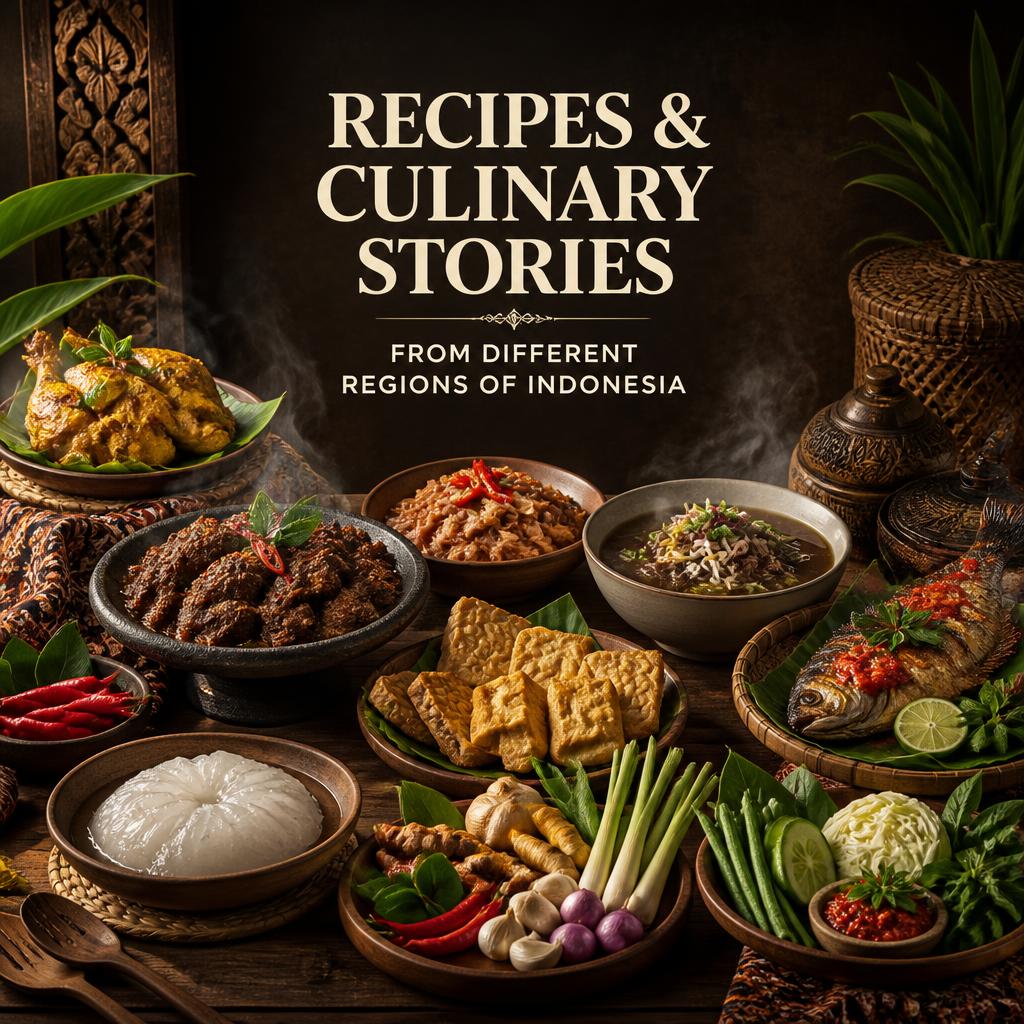
Recipes & Culinary Stories connect people through food, culture, and shared experiences. Every recipe carries more than ingredients and instructions. It often reflects family traditions, regional influences, and personal memories that have traveled across generations.
Whether it is a grandmother’s treasured soup recipe or a modern chef’s creative fusion dish, food tells stories that words alone cannot fully capture. – fridascocina
Why Food Stories Matter
Food creates emotional connections. People remember celebrations, holidays, and special gatherings through flavors and aromas.
Building Cultural Identity
Recipes often preserve traditions that might otherwise disappear. Communities pass cooking techniques from one generation to the next, ensuring that cultural heritage remains alive.
Strengthening Family Bonds
Families frequently gather around meals. As a result, recipes become symbols of togetherness and shared history.
What Makes a Recipe Memorable?
A memorable recipe goes beyond taste.
Simplicity and Authenticity
Many beloved dishes use simple ingredients prepared with care. Authentic recipes often focus on quality rather than complexity.
Personal Connection
People tend to cherish recipes associated with meaningful moments, such as birthdays, weddings, or holiday celebrations.
The Evolution of Traditional Recipes
Cooking traditions continuously evolve. While classic recipes remain popular, modern cooks often adapt them to fit contemporary lifestyles.
Changes in Ingredients
Global trade allows home cooks to access ingredients from different countries. This accessibility encourages experimentation and innovation.
Health-Conscious Adaptations
Many traditional dishes now feature healthier alternatives, including whole grains, plant-based proteins, and reduced sugar options.
How Culinary Stories Inspire Creativity
Stories behind dishes often inspire cooks to create something unique.
Learning From Different Cultures
Travelers frequently discover new flavors and cooking methods while exploring different regions. These experiences influence their own culinary creations.
Blending Old and New
Modern chefs often combine traditional techniques with innovative presentations. This balance creates exciting dining experiences while respecting culinary heritage.
Regional Recipes That Tell a Story
Every region offers dishes that reflect local history and geography.
Coastal Communities
Seafood recipes often highlight the connection between local populations and nearby waters. Fresh fish, shellfish, and sea vegetables commonly define coastal cuisine.
Mountain Villages
Mountain communities frequently rely on hearty ingredients that provide warmth and energy during colder seasons.
The Role of Ingredients in Culinary Narratives
Ingredients often reveal fascinating stories about trade, migration, and agriculture.
Seasonal Produce
Seasonal cooking reflects nature’s rhythm. Fresh ingredients usually deliver better flavor and nutritional value.
Local Specialties
Many regions develop signature dishes based on ingredients available in their environment. These specialties become important cultural symbols.
Who Preserves Culinary Traditions?
Preserving food heritage requires collective effort.
Home Cooks
Parents and grandparents often serve as guardians of family recipes, passing knowledge through hands-on experience.
Professional Chefs
Many chefs dedicate their careers to protecting traditional cooking methods while introducing them to new audiences.
A great example of culinary preservation can be found through authentic family recipe traditions, where generations continue sharing techniques and flavors that might otherwise fade over time.
Where Food Stories Come to Life
Food stories appear everywhere.
Family Kitchens
Many cherished recipes originate in home kitchens, where experimentation and tradition coexist.
Local Markets
Markets provide insight into regional ingredients, seasonal products, and culinary customs.
Restaurants and Food Festivals
These venues allow visitors to experience diverse cuisines while learning about the stories behind each dish.
When Do Culinary Memories Form?
Culinary memories often emerge during meaningful life events.
- Family celebrations
- Religious holidays
- Community festivals
- Travel experiences
- Everyday meals shared with loved ones
These moments transform ordinary dishes into lifelong memories.
How to Create Your Own Culinary Story
Creating a personal culinary legacy starts with intentional cooking.
Document Family Recipes
Write down recipes before they are forgotten. Include notes about their origin and significance.
Experiment With New Ideas
Blend traditional techniques with modern ingredients to develop unique dishes.
Share Meals With Others
Food becomes more meaningful when shared. Inviting friends and family to the table helps create new memories and traditions.
Frequently Asked Questions
What are culinary stories?
Culinary stories are personal, cultural, or historical narratives connected to food, recipes, and cooking traditions.
Why are recipes important in preserving culture?
Recipes preserve cooking methods, ingredients, and traditions that represent a community’s identity and heritage.
How can I preserve family recipes?
You can document ingredients, cooking steps, photographs, and personal memories in a recipe journal or digital archive.
Can modern recipes still have cultural value?
Yes. Modern adaptations often reflect evolving lifestyles while maintaining connections to traditional roots.
What is the best way to learn authentic cooking techniques?
Learning directly from experienced family members, local cooks, or cultural cooking classes provides valuable hands-on knowledge.
Recipes & Culinary Stories demonstrate that food is far more than nourishment. Every dish reflects history, culture, emotion, and creativity. By preserving traditional recipes, exploring new flavors, and sharing meals with others, we keep culinary heritage alive while creating meaningful stories for future generations.