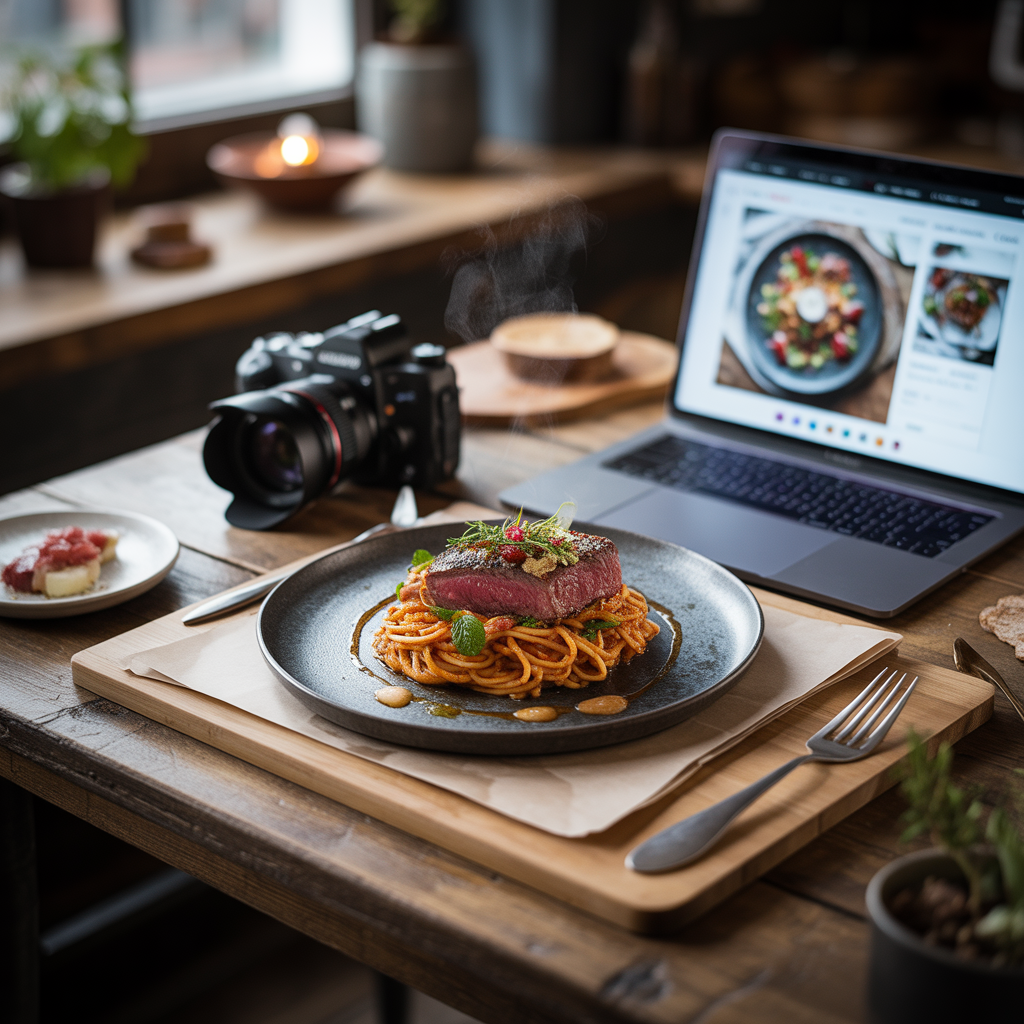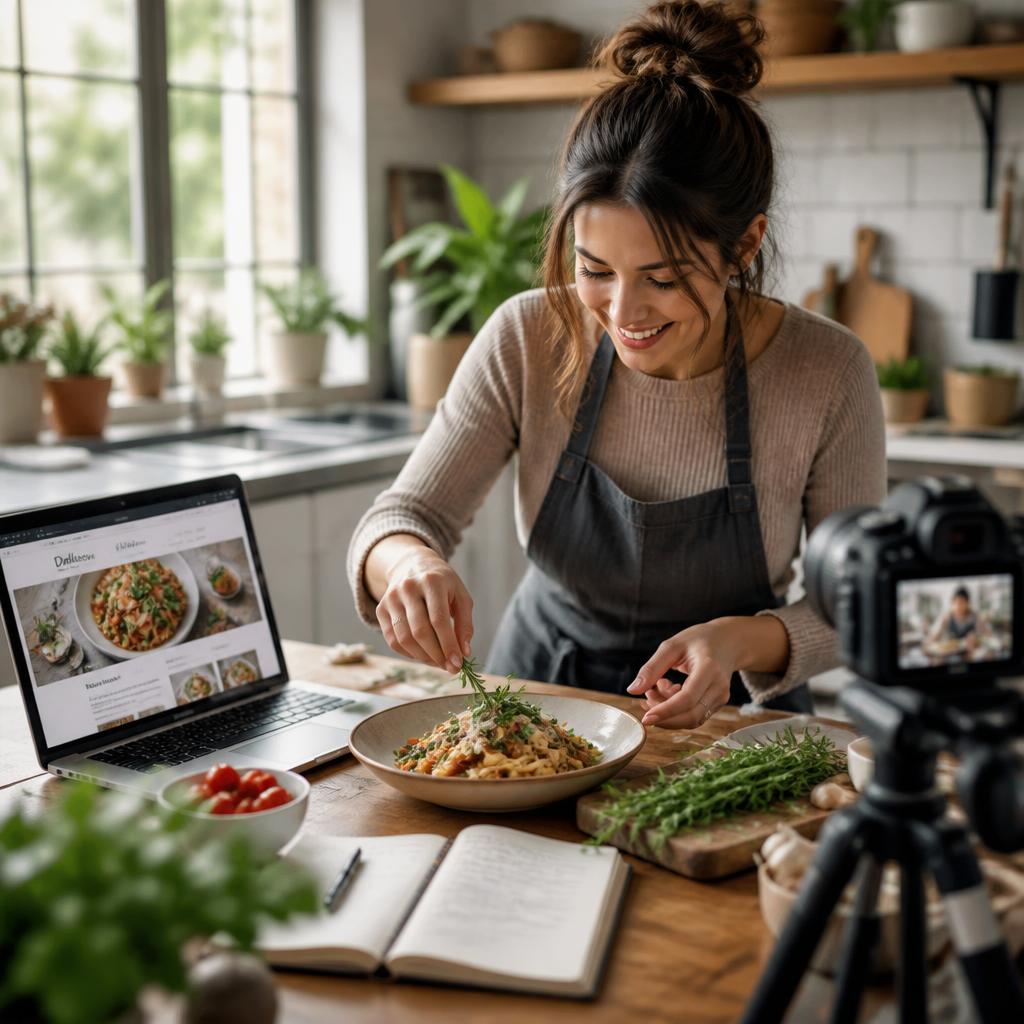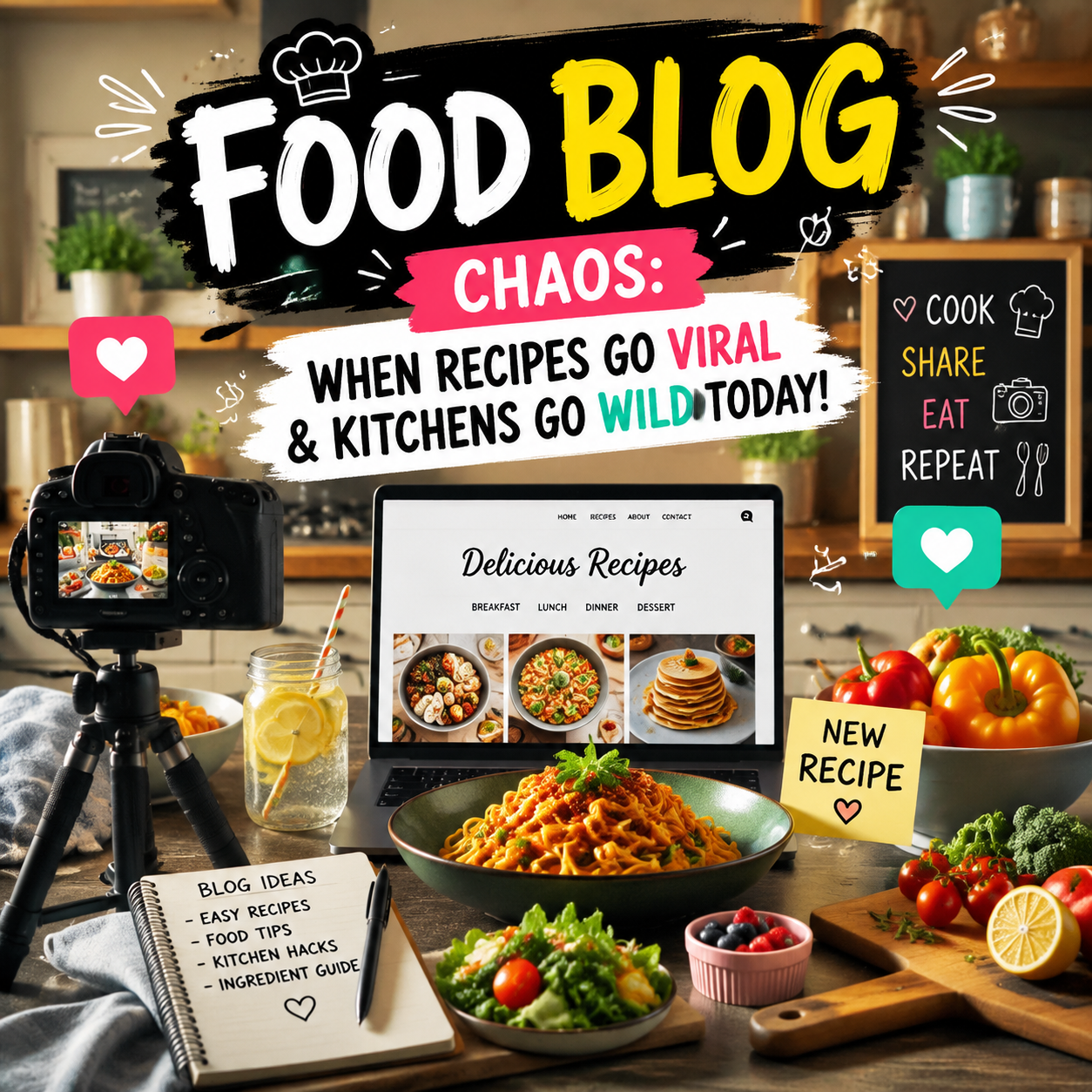
fridascocina – Food Blog Chaos: When Recipes Go Viral & Kitchens Go Wild Today is more than just a catchy phrase—it reflects how modern digital cooking culture has exploded into something unpredictable, creative, and wildly influential across the internet.
The Rise of Digital Food Culture
Food content has shifted from handwritten recipes to highly visual storytelling on social platforms. Today, audiences don’t just want to cook—they want an experience.
From Kitchen Notes to Viral Content
Before the internet, recipes lived in notebooks and family traditions. Now, digital gastronomy turns every dish into a shareable story.
Why Food Content Became So Popular
People crave relatability, aesthetics, and simplicity. A perfectly plated dish can travel across continents within hours.
What Exactly Is a Food Blog?
A food blog is a digital platform where individuals share recipes, cooking tips, restaurant reviews, and culinary experiments. It blends storytelling with practical food knowledge.
Core Elements of a Food Blog
- Recipes with step-by-step instructions
- Personal cooking experiences
- Visual storytelling through photos or videos
- Ingredient breakdowns and tips
Scientific Angle in Food Writing
Some bloggers even explore molecular gastronomy, a scientific approach to cooking that studies physical and chemical transformations in food.
Who Becomes a Food Blogger?
Food bloggers come from diverse backgrounds—chefs, home cooks, nutritionists, and even travelers documenting global cuisines.
The Creative Minds Behind It
Many successful creators are self-taught, blending passion with experimentation rather than formal culinary training.
Where Food Blogs Thrive Online
Food blogs exist across multiple platforms such as personal websites, Instagram, TikTok, and YouTube.
Platform Differences
- Blogs: Long-form recipes and SEO content
- Instagram: Visual storytelling
- TikTok: Short, viral cooking hacks
- YouTube: Full cooking tutorials
When Did Food Blogging Become a Trend?
The trend began rising in the early 2010s with lifestyle blogging, but exploded globally during the social media boom.
Pandemic Acceleration Effect
During global lockdowns, cooking at home became a survival skill and a hobby, pushing food content into mainstream entertainment.
Why Food Blogs Matter Today
Food blogs influence eating habits, restaurant trends, and even global food industries.
Cultural Impact
They introduce international cuisines to audiences who may never have experienced them otherwise.
Psychological Connection
Cooking content triggers comfort, nostalgia, and curiosity—powerful emotional drivers in digital media.
How to Start a Food Blog Successfully
Starting a food blog is easier than ever, but standing out requires creativity and consistency.
Step-by-Step Guide
- Choose a niche (vegan, desserts, street food)
- Build a platform (WordPress or social media)
- Create original recipes
- Use high-quality visuals
- Optimize content for search engines
Essential Tools for Beginners
- Camera or smartphone with good resolution
- Recipe testing journal
- Basic editing software
- Keyword research tools
SEO and Storytelling in Food Content
Modern food blogging blends storytelling with search optimization techniques to reach wider audiences.
At the heart of this strategy lies Food Blog, which acts as the central focus keyword for building authority, visibility, and niche relevance in search engines.
Balancing Emotion and Algorithm
Readers want personality, while search engines want structure. Successful blogs merge both seamlessly.
Monetization in the Food Blogging World
Food blogs can generate income through multiple streams.
Common Revenue Models
- Sponsored posts from food brands
- Affiliate marketing links
- Ad placements
- Digital cookbooks
Brand Collaborations
Companies often partner with creators to showcase products in authentic cooking environments.
Culinary Science Behind Food Blogging
Food content is not just artistic—it also involves science.
Key Scientific Concepts
- Maillard reaction: browning effect that enhances flavor
- Emulsification: mixing oil and water-based ingredients
- Fermentation: microbial transformation in foods like kimchi and yogurt
These concepts make recipes more than instructions—they become experiments in edible chemistry.
Real-Life Case Study of Viral Food Trends
Some recipes become global sensations overnight, like whipped coffee or cloud bread.
Why They Go Viral
- Simple ingredients
- Visual transformation
- Social media challenges
- Easy replication
Challenges in Running a Food Blog
Despite its popularity, food blogging comes with difficulties.
Common Struggles
- High competition
- Content saturation
- Algorithm changes
- Maintaining originality
Staying Authentic
Authenticity is the key to long-term success, even in a crowded digital space.
Future of Food Blogging
The future is driven by AI-assisted cooking, immersive AR recipes, and personalized nutrition plans.
Tech Integration in Cooking
Imagine following a recipe through augmented reality glasses or receiving AI-generated meal plans based on your health data.
Food blogging continues to evolve as a blend of culture, science, and storytelling that shapes how people cook and connect globally. From simple home recipes to viral sensations, it remains one of the most dynamic spaces in digital content. The journey of Food Blog Chaos: When Recipes Go Viral & Kitchens Go Wild Today reflects how creativity in the kitchen has become a global digital language that keeps growing stronger every day.