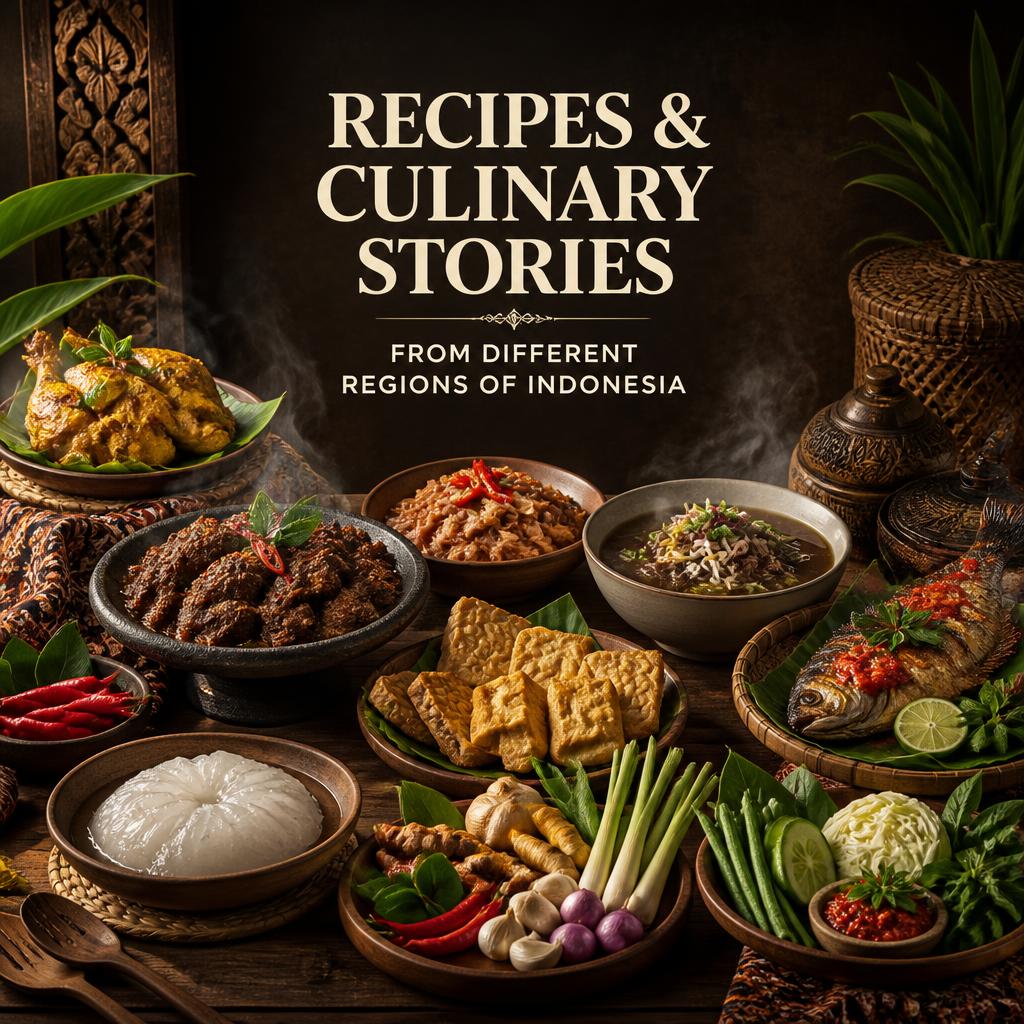
Recipes & Culinary Stories from Different Regions of Indonesia reveal far more than a collection of delicious dishes. They tell stories about migration, family traditions, local ingredients, geography, celebrations, and the way communities have adapted their cooking across generations. From the coconut-rich curries of Sumatra to smoky grilled seafood in eastern Indonesia, every region brings something distinctive to the table. – fridascocina.com
Indonesia is home to thousands of islands and many cultural communities, so there is no single flavor that can completely represent Indonesian cuisine. What people eat depends heavily on where they live, what ingredients grow nearby, who passed down the recipe, when the dish is served, why certain cooking methods developed, and how local traditions shape the final flavor. That diversity makes exploring regional Indonesian food feel like traveling through the country one plate at a time.
Why Indonesian Regional Cuisine Is So Diverse
Geography plays a major role in shaping Indonesian cooking. Coastal communities naturally have greater access to fish, squid, shrimp, and other seafood, while mountainous regions may rely more heavily on vegetables, herbs, livestock, or preserved foods.
Climate also influences what grows locally. Coconut, turmeric, galangal, lemongrass, candlenut, chili, tamarind, and aromatic leaves appear frequently, yet their proportions differ dramatically between regions.
From a culinary perspective, many Indonesian recipes create complex flavors through caramelization, fermentation, slow cooking, grilling, steaming, and frying. These processes affect aroma, texture, and taste while helping cooks transform relatively simple ingredients into deeply satisfying meals.
The Importance of Spices and Fresh Aromatics
One characteristic that immediately stands out in Indonesian cuisine is the use of rempah-rempah, or spices.
Rather than simply sprinkling powdered seasoning over finished food, traditional cooks commonly grind ingredients into a spice paste known as bumbu. Garlic, shallots, chili, turmeric, coriander, ginger, galangal, and candlenut can form its foundation.
The exact combination depends on the dish and region.
A well-prepared bumbu gives Indonesian cooking its layered character because the ingredients release different aromatic compounds as they cook. Frying the paste gently before adding meat, vegetables, coconut milk, or broth can create a richer fragrance and deeper flavor.
West Sumatra: Rendang and the Story of Slow Cooking
Few Indonesian dishes have gained international recognition quite like rendang. Closely associated with Minangkabau culinary culture in West Sumatra, rendang demonstrates how patience can transform ordinary ingredients.
The dish usually combines beef with coconut milk and an aromatic spice mixture. Depending on the household recipe, that mixture may contain chili, galangal, lemongrass, turmeric, garlic, shallots, and other seasonings.
How Rendang Develops Its Famous Flavor
The interesting part happens during cooking.
Instead of quickly boiling the beef, cooks simmer it slowly. Moisture gradually evaporates while the coconut milk becomes increasingly concentrated. Eventually, the sauce darkens and clings to the meat.
This long process encourages Maillard reactions and other browning processes that contribute to the dish’s complex roasted character.
A Simple Home-Style Rendang Approach
Start by blending shallots, garlic, chili, ginger, turmeric, and galangal into a smooth paste. Cook the mixture with coconut milk, lemongrass, and aromatic leaves before adding chunks of beef.
Keep the heat controlled and stir periodically. As the liquid decreases, stir more frequently to prevent scorching.
The goal is not speed. Rendang rewards patience.
West Java: Fresh Flavors, Sambal, and Sundanese Cooking
Travel to West Java and the culinary mood changes noticeably. Sundanese food often highlights fresh vegetables, herbs, grilled proteins, and fiery sambal.
One recognizable tradition is lalapan, a selection of raw or lightly prepared vegetables served alongside rice, sambal, fish, chicken, tofu, or tempeh.
The freshness creates a pleasant contrast with salty, smoky, or spicy dishes.
Karedok: A Fresh Sundanese Vegetable Dish
Karedok offers another excellent example.
It combines fresh vegetables with a savory peanut-based dressing. Long beans, bean sprouts, cucumber, cabbage, and other vegetables can provide plenty of crunch.
The dressing typically balances peanuts with chili, garlic, palm sugar, and other seasonings.
What makes karedok interesting is its texture. Instead of cooking everything until soft, the vegetables retain their natural crispness, giving every bite a refreshing character.
Central Java: Sweetness Meets Savory Tradition
Central Javanese cuisine frequently introduces a sweeter flavor profile compared with some neighboring regions.
One famous example is gudeg, a specialty strongly associated with Yogyakarta and surrounding culinary traditions. Young jackfruit cooks slowly with coconut milk, palm sugar, and aromatic seasonings until tender.
The resulting dish has a distinctive sweet-savory personality.
Why Gudeg Takes Time
Young jackfruit does not instantly absorb the surrounding flavors. Slow cooking allows the seasoning to penetrate gradually while the texture softens.
Gudeg commonly appears alongside rice, egg, chicken, tofu, tempeh, or sambal krecek. Each accompaniment introduces another texture or flavor, turning a seemingly simple jackfruit preparation into a complete meal.
It is also a good reminder that Indonesian cuisine does not rely exclusively on intense chili heat. Sweetness, richness, saltiness, fragrance, and texture can be equally important.
East Java: Bold Flavors and Rawon
East Java brings another personality to Indonesian food.
Among its celebrated dishes is rawon, a dark beef soup recognized for its almost black broth. The unusual color primarily comes from keluak, a traditional ingredient that gives rawon its distinctive earthy character.
Beef cooks in a seasoned broth containing a carefully prepared spice mixture. The finished soup is commonly enjoyed with rice and complementary garnishes.
What Makes Rawon Different from Ordinary Beef Soup?
Rawon is not simply beef floating in dark broth.
Its appeal comes from balance. Aromatic spices, savory meat, keluak, and accompanying ingredients work together rather than allowing one component to dominate.
This is precisely why regional recipes matter. Remove a culturally important ingredient and the dish may still taste pleasant, but its original identity can change significantly.
Bali: Aromatic Cooking and Ayam Betutu
Balinese cooking is known for generous seasoning and highly aromatic preparations.
Ayam betutu is an excellent example. Chicken is seasoned with a complex mixture of herbs and spices before undergoing a relatively long cooking process.
Traditional recipes vary between communities and families, which means there is no need to treat one version as the only legitimate interpretation.
The Power of Balinese Spice Mixtures
Balinese cooking often uses intricate seasoning combinations sometimes associated with base genep, a foundational mixture of spices and aromatics.
Ingredients may include turmeric, ginger, galangal, garlic, shallots, chili, lemongrass, and other local seasonings.
The chicken absorbs these flavors during cooking, producing a fragrant result that tastes dramatically different from simply grilling seasoned poultry for a few minutes.
South Sulawesi: Coto Makassar and Comfort in a Bowl
In South Sulawesi, coto Makassar represents another fascinating regional food tradition.
This hearty soup features beef and, in some traditional preparations, selected offal cooked with spices until tender. The broth carries a rich savory quality that makes the dish particularly satisfying.
Coto Makassar also demonstrates an important feature of Indonesian food culture: recipes often evolve around using available ingredients efficiently.
How Local Eating Traditions Complete the Dish
A regional dish is rarely defined by the main ingredient alone.
What accompanies it matters too.
Coto Makassar may be enjoyed with ketupat or burasa, depending on preference and local practice. Sambal and other condiments allow diners to adjust the intensity.
That interactive element makes Indonesian dining wonderfully personal. One person might want extra chili, while another prefers to appreciate the broth without overwhelming its original seasoning.
North Sulawesi: Bright, Spicy, and Aromatic Cuisine
North Sulawesi, particularly Minahasan culinary traditions, is known for bold seasoning and fresh aromatics.
One approachable example is ikan woku, a fish preparation featuring herbs and spices that create an intensely fragrant profile.
Ingredients such as turmeric, chili, lemongrass, citrus leaves, tomato, and fresh herbs can work together to produce a dish that feels simultaneously spicy, bright, and aromatic.
Seafood and Geography Work Together
Why does fish play such an important role in many Indonesian regional cuisines?
The answer becomes obvious when looking at the map. Indonesia is an enormous archipelagic country surrounded by productive marine environments.
For countless coastal communities, seafood is not an exotic luxury. It has long been part of everyday food culture.
That geographic reality explains why grilling, frying, simmering, and seasoning fresh fish appear in so many local traditions.
Papua and Eastern Indonesia: Sago as an Important Staple
Rice dominates many modern discussions about Indonesian food, but it is not the only traditional staple.
In parts of eastern Indonesia, sago has historically held significant culinary importance.
One familiar preparation is papeda, which has a thick, stretchy texture quite different from steamed rice.
Papeda and Fish Create a Regional Combination
Papeda is often paired with seasoned fish preparations. The relatively neutral starch works well with flavorful broths and strongly seasoned seafood.
Its unusual texture may surprise someone tasting it for the first time, yet that difference is exactly what makes regional culinary exploration interesting.
Food does not need to resemble something familiar to be enjoyable.
Sometimes understanding how local people traditionally eat a dish provides a much richer experience than judging it against food from another region.
Sambal: The Small Condiment with a Huge Personality
Talking about Indonesian cuisine without mentioning sambal would leave a major part of the story unfinished.
Sambal is often casually described as chili sauce, although that description barely captures its diversity.
Different recipes can combine chilies with tomato, shallot, garlic, shrimp paste, citrus, sugar, salt, or other ingredients.
One Country, Many Sambal Styles
Some versions taste fresh and sharp. Others are cooked until rich and oily. Certain sambals emphasize smoky flavors, while others deliver immediate heat.
The technique matters as much as the ingredients.
Grinding ingredients with a traditional cobek and ulekan, for example, can create a different texture from completely puréeing everything in an electric blender.
That texture influences how the condiment interacts with rice, vegetables, grilled fish, or fried chicken.
Tempeh: A Traditional Food with Fascinating Science
Another Indonesian culinary icon deserves attention: tempeh.
Tempeh production relies on fermentation, a biological process in which microorganisms transform the original food material. Soybeans become bound into a compact cake through fungal growth, traditionally involving Rhizopus species.
That process changes texture, aroma, and nutritional characteristics.
From Simple Soybeans to Everyday Comfort Food
Tempeh can be fried, braised, grilled, crumbled, or cooked with sweet soy sauce and spices.
Its versatility helps explain why it appears in everything from inexpensive everyday meals to contemporary restaurant menus.
A humble ingredient can carry considerable culinary history, and tempeh proves that traditional food knowledge and food science often intersect naturally.
How Family Recipes Preserve Indonesian Culinary Stories
Recipes do not survive because someone writes them in a cookbook.
Many survive because parents cook with their children, grandparents explain ingredients to younger relatives, market vendors maintain familiar flavors, and communities continue preparing special foods for important occasions.
Measurements can therefore become surprisingly informal.
A grandmother might say, “add enough coconut milk,” rather than specifying 350 milliliters. Someone else may judge the amount of chili by color instead of counting individual peppers.
This intuitive approach can frustrate beginners, but it also reveals something beautiful about culinary knowledge: cooking is often learned through observation, repetition, aroma, sound, and taste.
Tips for Cooking Regional Indonesian Recipes at Home
You do not need a professional kitchen to explore Indonesian regional food. However, a little preparation makes the experience easier.
Begin with fresh aromatics whenever possible. Shallots, garlic, lemongrass, ginger, galangal, turmeric, and chilies often taste more vibrant when handled carefully.
Next, avoid rushing the bumbu. Give the spice paste enough time to release its fragrance before adding major ingredients.
Most importantly, taste as you cook.
Traditional recipes can vary considerably, so use measurements as guidance rather than absolute law. Adjust sweetness, acidity, saltiness, richness, and chili heat until the dish feels balanced.
Respect the Original Before Creating Variations
Experimentation is part of cooking, and substitutions are sometimes unavoidable.
Still, learning the original concept first makes experimentation more meaningful.
Understand what an ingredient contributes before removing it. Is it providing aroma, acidity, color, texture, heat, umami, or sweetness?
Once you know its purpose, finding a reasonable alternative becomes easier.
Keep Notes When You Find the Right Balance
Home cooks often create their best version after several attempts.
Write down adjustments.
Perhaps you preferred less coconut milk, more lemongrass, a smaller amount of chili, or longer simmering. Those notes gradually turn a borrowed recipe into a household favorite without erasing its regional inspiration.
Indonesian Food Is Ultimately About People and Place
What makes Indonesian cuisine memorable is not simply the number of spices used. The deeper attraction comes from the relationship between people, ingredients, geography, and tradition.
Rendang reflects patience and Minangkabau culinary heritage. Gudeg carries the recognizable sweetness of Central Javanese cooking. Rawon introduces the unmistakable character of keluak. Balinese dishes showcase intricate spice combinations, while eastern Indonesian traditions remind us that staples such as sago remain an important part of the country’s broader food identity.
Food also creates connections between generations. Recipes travel when people move, evolve when ingredients become difficult to find, and gain new interpretations when younger cooks enter the kitchen. Yet behind those changes, the original culinary story can continue.
Exploring Recipes & Culinary Stories from Different Regions of Indonesia therefore means doing more than collecting instructions for dinner. It means discovering who prepares these foods, where their ingredients come from, when families serve them, why particular techniques matter, and how centuries of local knowledge continue to shape Indonesian tables today.