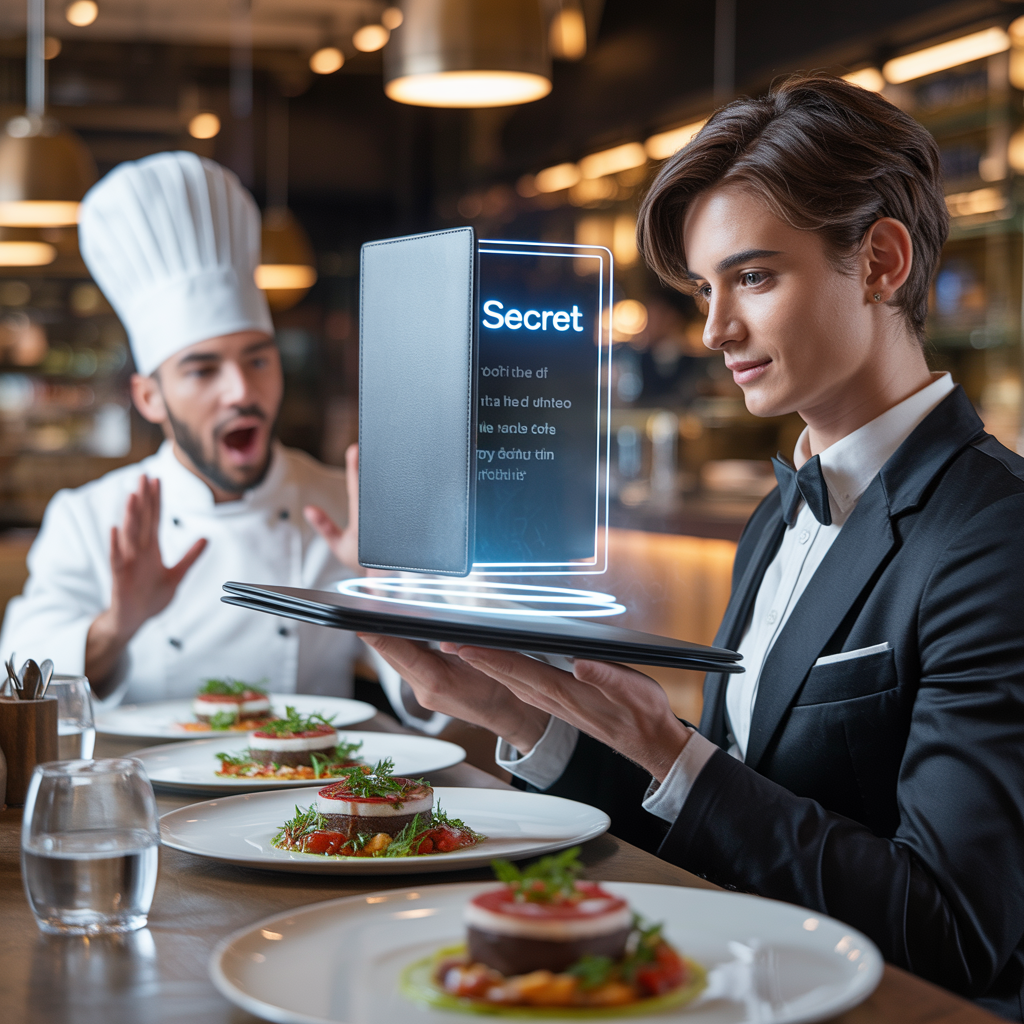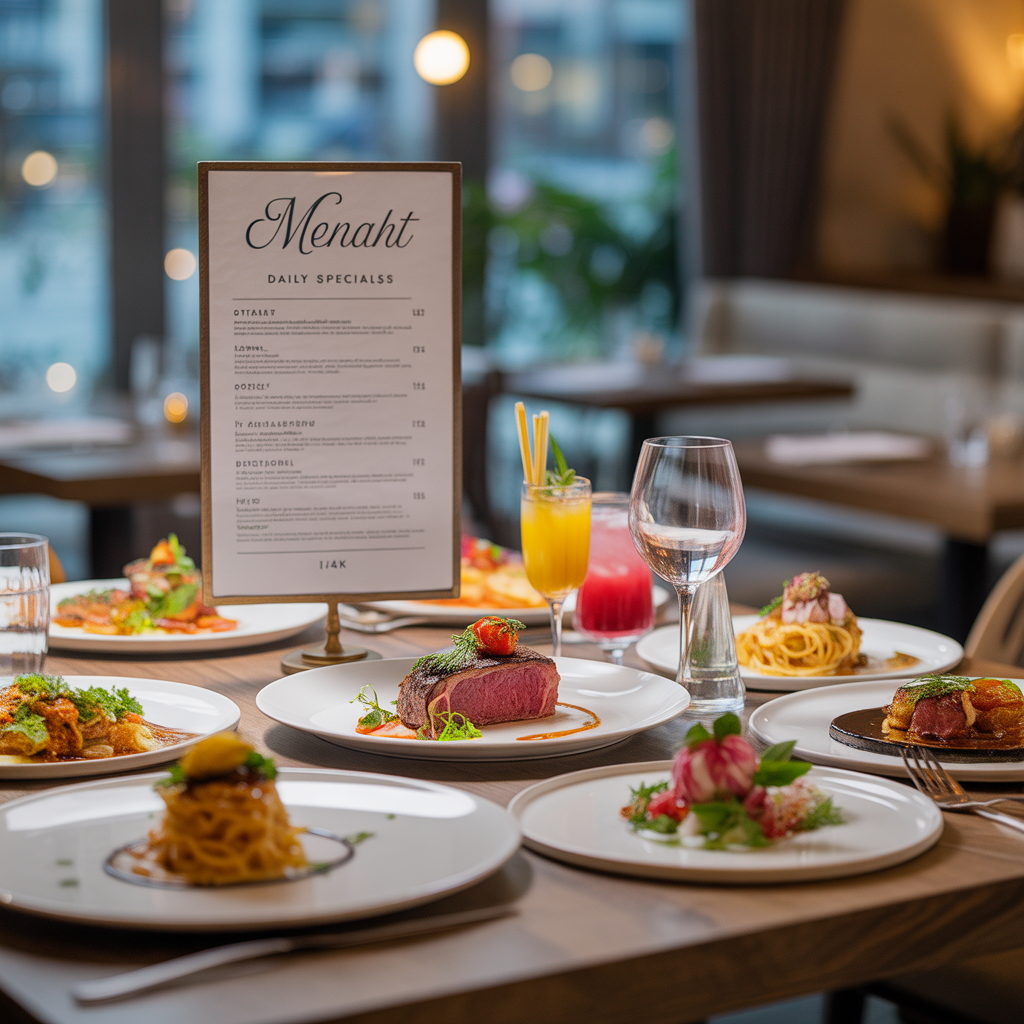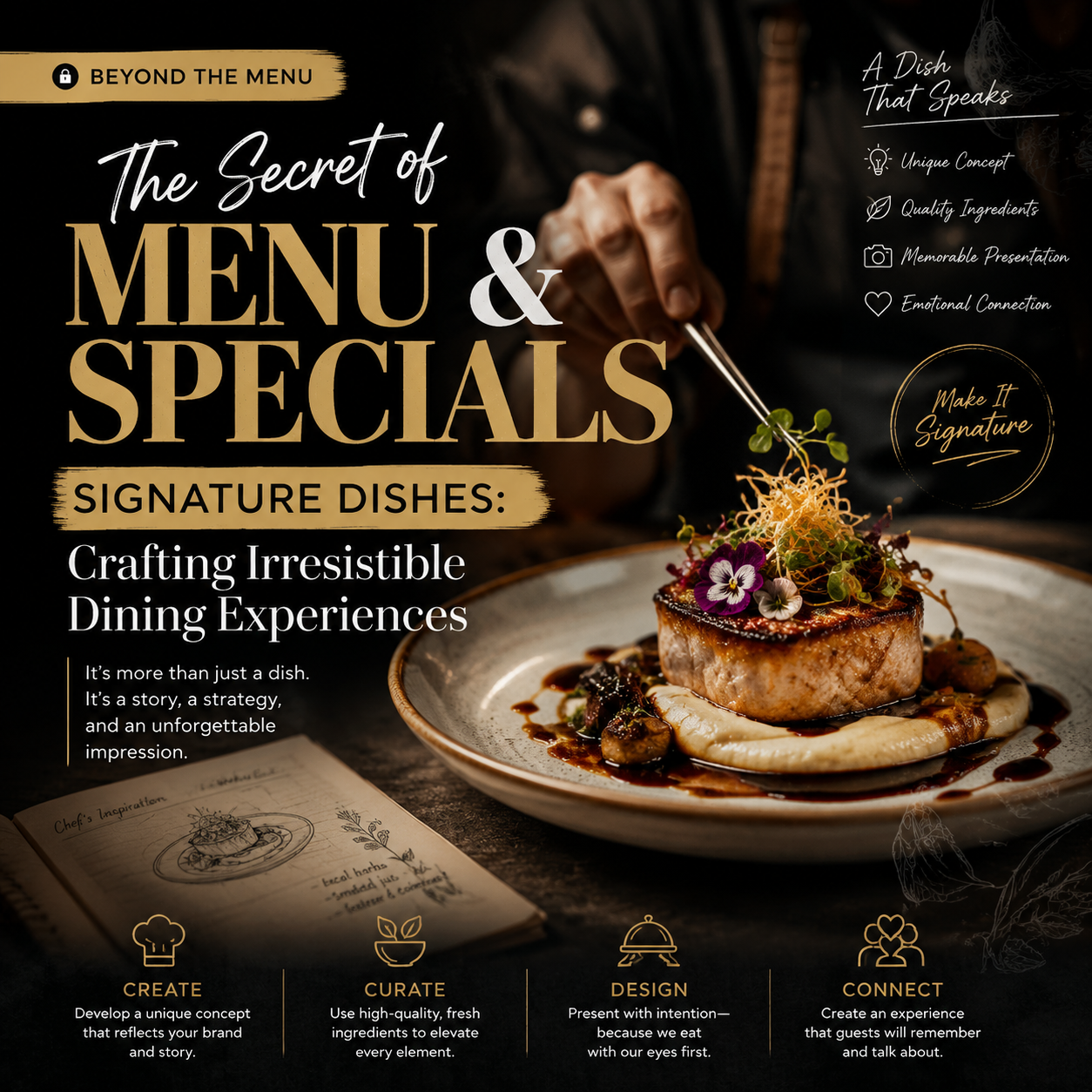
The Secret Symphony of Menu & Specials Signature Dish: How Restaurants Craft Irresistible Dining Experiences is more than just a title—it reflects how modern restaurants carefully design food journeys that blend creativity, psychology, and culinary science into one seamless experience. From fine dining establishments in Paris to street-food-inspired bistros in Tokyo, the idea of a menu has evolved into something far more strategic, emotional, and immersive. – fridascocina
What Makes a Menu Experience Memorable
A menu is no longer just a list of dishes. It is a narrative device, guiding diners through flavor, texture, and anticipation.
Psychology of Taste and Decision Making
Human taste perception is deeply influenced by expectation. The brain reacts not only to flavor but also to presentation, naming, and even pricing cues. This is why descriptive language like “slow-braised” or “handcrafted” often increases perceived value.
Storytelling Through Food Design
Restaurants use storytelling to connect emotionally with customers. A dish is rarely isolated; it belongs to a larger theme such as heritage, seasonality, or cultural fusion. This transforms dining into an experience rather than a transaction.
The Role of Specials in Modern Dining
Specials are the experimental heartbeat of a restaurant. They allow chefs to test new ideas, showcase seasonal ingredients, and respond to customer trends without altering the core menu.
Seasonal Sourcing and Ingredient Flow
Chefs rely heavily on seasonal availability. Ingredients like wild mushrooms in autumn or citrus in winter shape what appears on the specials board. This ensures freshness while reducing supply chain stress.
Local Supplier Collaboration
Working with local farmers and fisheries ensures better ingredient quality and reduces environmental impact. It also strengthens community-driven food ecosystems.
Behind the Kitchen: How Chefs Design Signature Dishes
Creating a signature dish is a combination of intuition and technical precision.
The Discipline of Mise en Place
In professional kitchens, mise en place—meaning “everything in its place”—ensures efficiency and consistency. Every ingredient is prepped, measured, and organized before cooking begins.
Flavor Layering and Culinary Science
Chefs use techniques like sous-vide, fermentation, and reduction to build complexity. These methods enhance umami depth while maintaining balance across salt, acid, and fat profiles.
Customer Experience and Atmosphere
Dining is not just about taste—it is a multisensory journey.
Sensory Cues and Emotional Impact
Lighting, music, and table arrangement influence appetite and satisfaction. A warm-toned environment can make flavors feel richer, while soft background music encourages slower, more mindful eating.
Digital Menus and Modern Trends
Technology has reshaped how customers interact with food.
QR Menus and AI Recommendations
Digital menus now integrate behavioral data to suggest dishes based on past orders. Some systems even adjust recommendations based on time of day or weather conditions.
Data-Driven Menu Engineering
Modern restaurants analyze customer behavior to refine offerings and maximize satisfaction.
At the center of this strategy lies Menu & Specials Signature dish, a concept that helps restaurants identify which items define their identity while also driving profitability and repeat visits. By studying order frequency, ingredient cost, and customer feedback, chefs can fine-tune their menus with precision rather than guesswork.
Balancing Popularity and Profitability
Some dishes attract customers but offer low margins, while others are highly profitable but less popular. Successful menu engineering balances both factors to ensure sustainability.
Signature Dish as Brand Identity
A signature dish acts as the culinary fingerprint of a restaurant. It is what customers remember and recommend.
Chefs often spend years refining a single dish until it represents their philosophy. Whether it is a truffle risotto or a spicy fusion taco, the goal is consistency with emotional impact.
Global Influences in Menu Design
Modern menus are shaped by cultural exchange.
Fusion Cuisine Evolution
Japanese-Peruvian, Korean-Mexican, and French-Vietnamese combinations demonstrate how culinary boundaries continue to blur. This global mixing creates innovative flavor profiles that attract adventurous diners.
How Restaurants Keep Specials Fresh
Keeping specials relevant requires constant experimentation.
Rapid Testing and Feedback Loops
Restaurants often introduce limited-time dishes and quickly gather customer feedback. This allows chefs to refine recipes before potentially adding them to the permanent menu.
Ingredient Innovation Cycles
New ingredients like plant-based proteins or ancient grains are regularly introduced to keep menus aligned with evolving dietary trends.
The Art Behind the Dining Experience
In the end, the restaurant world thrives on creativity, precision, and emotional connection. Every dish, every special, and every carefully designed menu tells a story that goes beyond food itself. The harmony between innovation and tradition continues to shape how diners experience meals across cultures. The journey of The Secret Symphony of Menu & Specials Signature dish: How Restaurants Craft Irresistible Dining Experiences shows that dining is not just about eating—it is about feeling, remembering, and returning again.