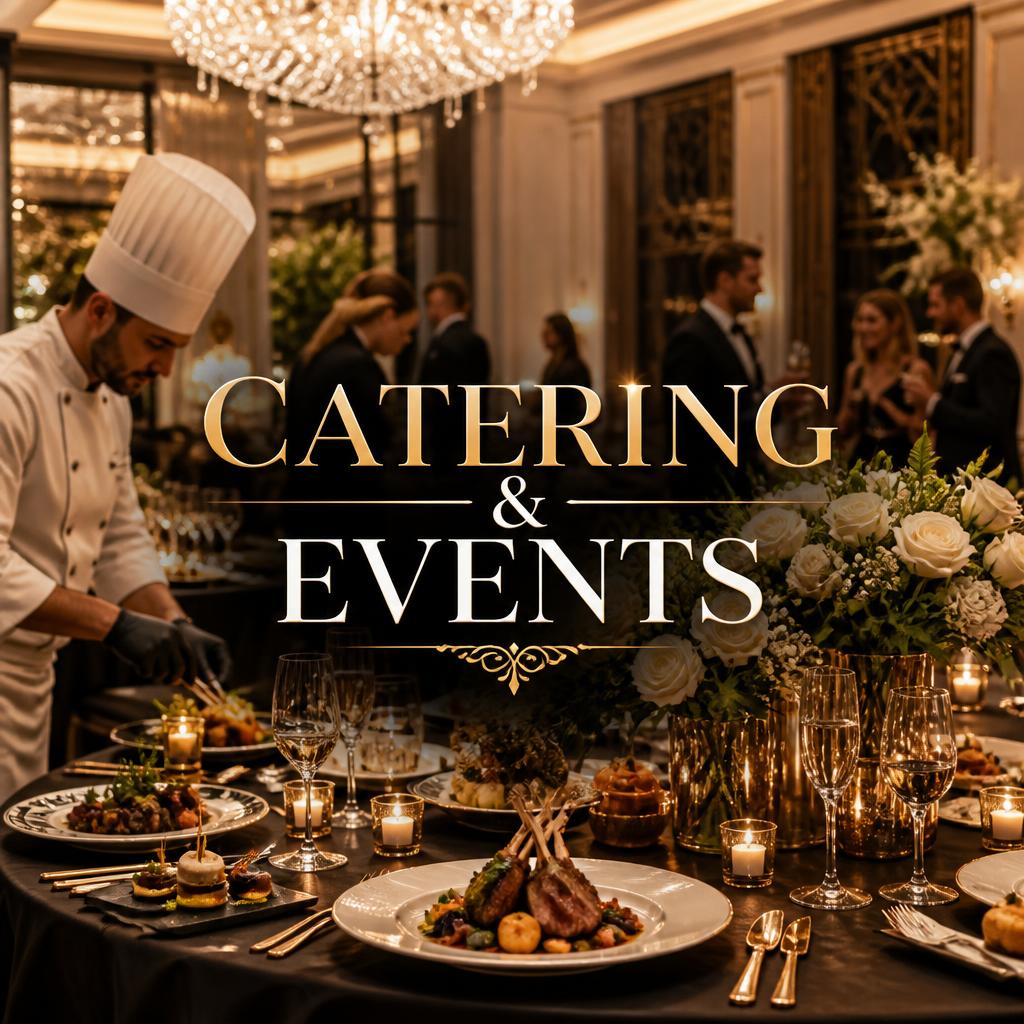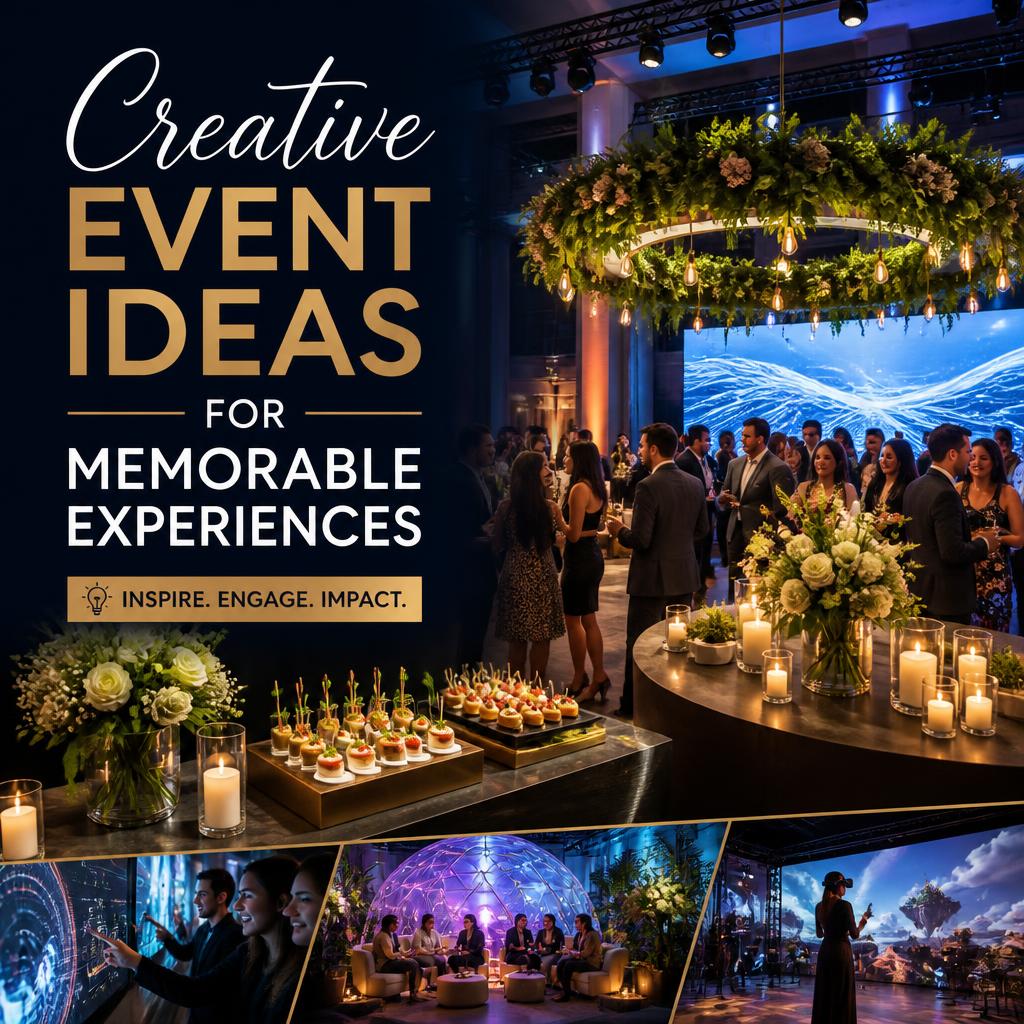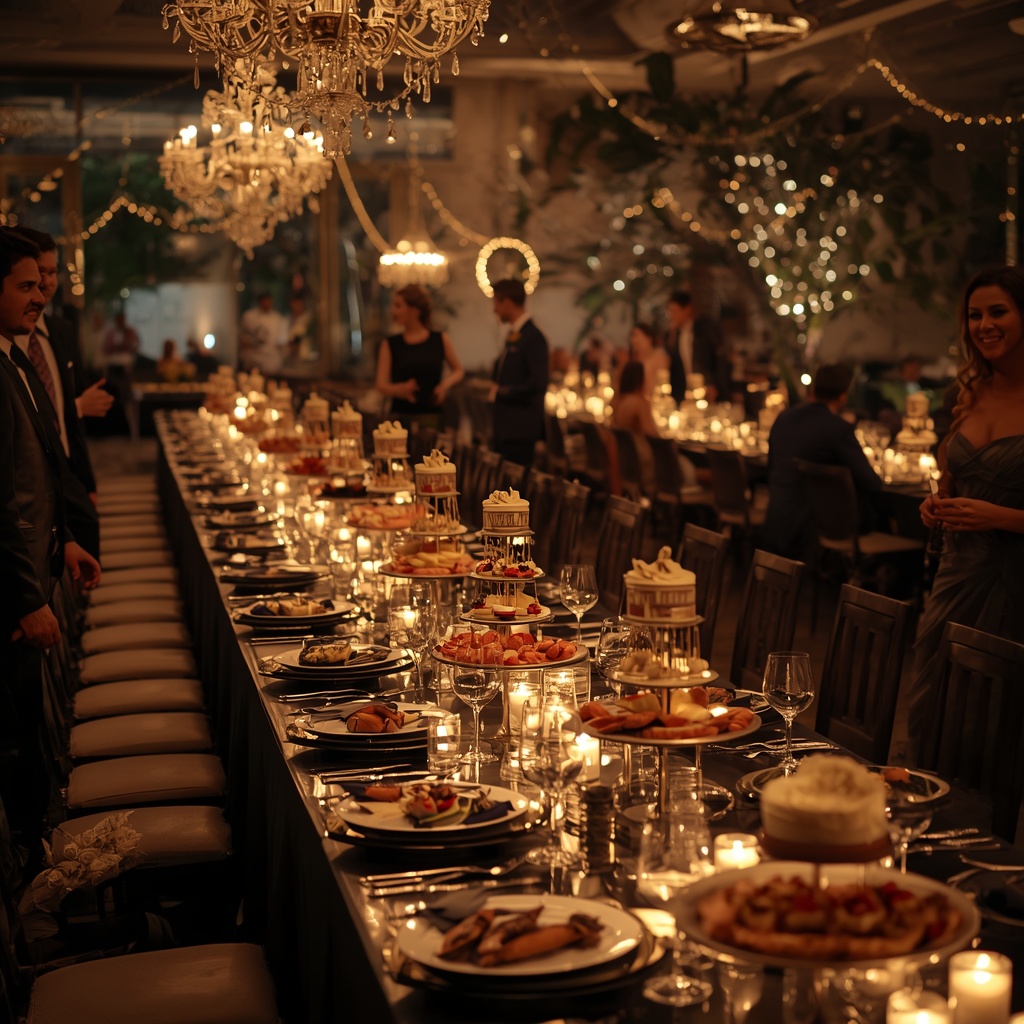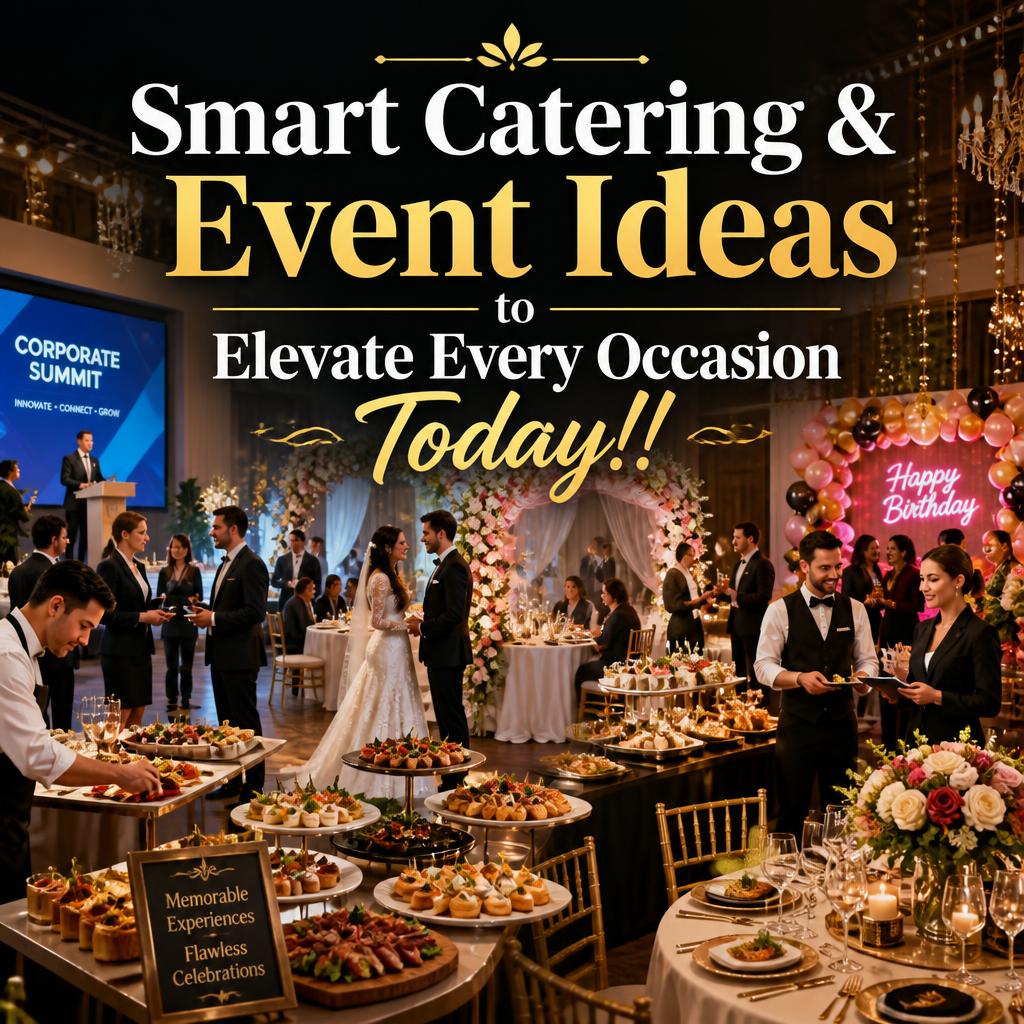
Catering & Events can transform an ordinary gathering into a memorable experience, whether it is a corporate function, wedding celebration, birthday party, or community festival. Today, guests expect more than good food. They want an atmosphere, personalized service, creative presentation, and smooth organization from start to finish. That is why understanding how catering and event planning work together has become essential for anyone organizing a successful occasion. – fridascocina
Understanding the Modern Catering and Event Industry
The event industry has evolved significantly over the past decade. What was once focused mainly on serving meals has expanded into a complete guest experience. Modern catering providers often collaborate with event planners, decorators, entertainers, photographers, and venue managers.
From intimate private dinners to large-scale conferences, the goal remains the same: creating enjoyable experiences that leave lasting impressions.
What Makes Professional Catering Different?
Professional catering goes beyond preparing food. It includes:
- Menu planning
- Food preparation
- Transportation
- Presentation
- Service staff management
- Dietary accommodations
- Cleanup and logistics
As a result, hosts can focus on their guests rather than worrying about operational details.
Why Food Plays a Central Role in Every Event
Food has always been a universal way to bring people together. Regardless of the event type, guests often remember the dining experience long after the celebration ends.
A carefully designed menu can:
- Reflect the event theme
- Showcase local culture
- Create conversation among attendees
- Enhance guest satisfaction
- Strengthen brand perception during corporate gatherings
Because of this, investing in quality food service often delivers significant value.
Choosing the Right Event Style
Not every gathering requires the same approach. Different occasions demand different service formats.
Buffet Service
Buffets remain popular because they offer flexibility and variety. Guests can choose portions according to their preferences while enjoying multiple dishes.
Benefits include:
- Faster service
- Diverse menu options
- Cost efficiency for larger groups
Plated Dining
Formal celebrations often benefit from plated meals. This style creates a sophisticated atmosphere and provides a structured dining schedule.
Common examples include:
- Weddings
- Gala dinners
- Award ceremonies
Interactive Food Stations
Food stations have become increasingly popular due to their engaging nature.
Examples include:
- Live pasta counters
- Sushi stations
- Dessert bars
- Coffee experiences
Guests enjoy customization while interacting with chefs and servers.
How to Match Catering With Event Objectives
Before selecting menus, it is important to identify the purpose of the event.
Corporate Functions
Business events often require efficiency and professionalism. Finger foods, light lunches, and networking-friendly menus usually work best.
Social Celebrations
Birthdays, anniversaries, and family gatherings allow greater creativity. Hosts can incorporate favorite dishes, themed desserts, and unique beverage selections.
Community Gatherings
Large public events require scalability, speed, and accessibility. Vendors and caterers must efficiently serve large crowds without sacrificing quality.
Key Trends Shaping Catering Experiences
The catering landscape continues to evolve as consumer preferences change.
Sustainable Practices
Many guests now appreciate environmentally responsible choices.
Popular sustainability initiatives include:
- Locally sourced ingredients
- Compostable packaging
- Reduced food waste
- Seasonal menu planning
Personalized Menus
Customization has become increasingly important. People appreciate menus that reflect personal preferences, dietary needs, and cultural traditions.
Health-Conscious Dining
Modern consumers often seek nutritious alternatives. Event menus now frequently feature:
- Plant-based options
- Gluten-free dishes
- Low-sugar desserts
- High-protein selections
Consequently, offering variety helps accommodate diverse guest expectations.
Creating Memorable Guest Experiences
Great events involve more than food quality. Presentation, ambiance, and service all contribute to overall satisfaction.
One effective strategy is selecting a trusted Catering & Events provider that understands guest psychology and can coordinate every detail seamlessly. When food, décor, timing, and hospitality align perfectly, attendees enjoy a smooth and memorable experience.
The Importance of Presentation
People often eat with their eyes first.
Creative food displays can:
- Enhance visual appeal
- Encourage social sharing
- Support event branding
- Increase guest excitement
Elegant plating and thoughtful table arrangements help elevate even simple menus.
Venue Selection and Catering Compatibility
Choosing a venue should happen alongside catering discussions rather than afterward.
Important considerations include:
Kitchen Facilities
Some venues provide fully equipped kitchens, while others require mobile catering solutions.
Guest Capacity
The venue must comfortably accommodate both attendees and service operations.
Accessibility
Convenient parking, transportation access, and mobility accommodations improve guest satisfaction.
Event Flow
Proper venue layouts support efficient food service and reduce congestion.
Budget Planning Without Sacrificing Quality
Many organizers assume exceptional catering always requires a large budget. In reality, strategic planning often produces impressive results without excessive spending.
Ways to optimize costs include:
- Choosing seasonal ingredients
- Limiting menu complexity
- Using buffet formats when appropriate
- Booking vendors early
- Prioritizing high-impact elements
Moreover, focusing resources on guest-facing experiences often provides the greatest return on investment.
Hidden Costs to Watch For
Unexpected expenses can affect event budgets significantly.
Common examples include:
- Staffing fees
- Equipment rentals
- Service charges
- Transportation costs
- Overtime expenses
Reviewing contracts carefully helps prevent surprises.
Managing Dietary Requirements Successfully
Today’s events often host guests with diverse dietary needs.
Common requests include:
- Vegetarian meals
- Vegan options
- Nut-free selections
- Halal preparations
- Kosher meals
- Allergy-sensitive dishes
Providing clear labeling and communication ensures attendees feel comfortable and included.
Why Inclusivity Matters
Guests who feel accommodated are more likely to enjoy the event and remember it positively. Inclusivity demonstrates professionalism, attention to detail, and genuine hospitality.
Event Day Execution Strategies
Even the best plans require flawless execution.
Successful event teams typically focus on:
Timeline Coordination
Schedules should include setup, food preparation, service periods, and cleanup activities.
Staff Communication
Clear instructions minimize confusion and improve service quality.
Contingency Planning
Weather changes, vendor delays, and unexpected guest increases can occur. Backup plans help maintain smooth operations.
Quality Control
Regular monitoring ensures food freshness, presentation consistency, and service excellence throughout the event.
Measuring Event Success
After the event concludes, evaluating results provides valuable insights.
Useful metrics include:
- Guest feedback
- Attendance rates
- Social media engagement
- Repeat bookings
- Budget performance
Analyzing these factors helps improve future planning efforts and identify opportunities for growth.
The Future of Catering and Event Experiences
Technology continues to influence event planning. Digital invitations, online RSVP systems, interactive menus, and data-driven guest management are becoming standard features.
Meanwhile, personalization remains a dominant trend. Guests increasingly value experiences tailored specifically to their interests and preferences. Businesses and hosts who combine innovation with genuine hospitality will continue to stand out in an increasingly competitive marketplace.
Catering & Events are far more than food service and venue management. They represent the complete experience guests remember long after an occasion ends. From menu selection and presentation to logistics and guest satisfaction, every detail contributes to success. By embracing thoughtful planning, creative concepts, and exceptional hospitality, organizers can ensure that Catering & Events become memorable experiences that exceed expectations and leave lasting impressions on every attendee.