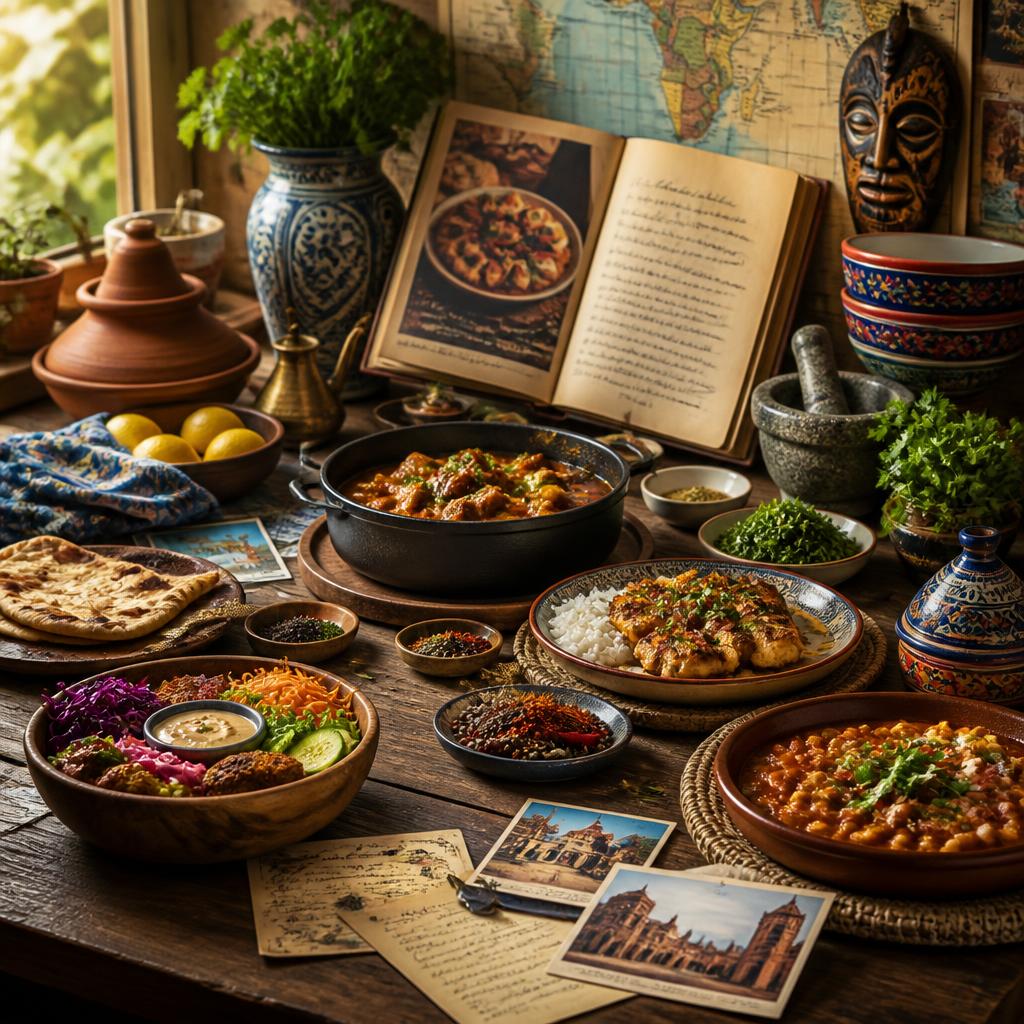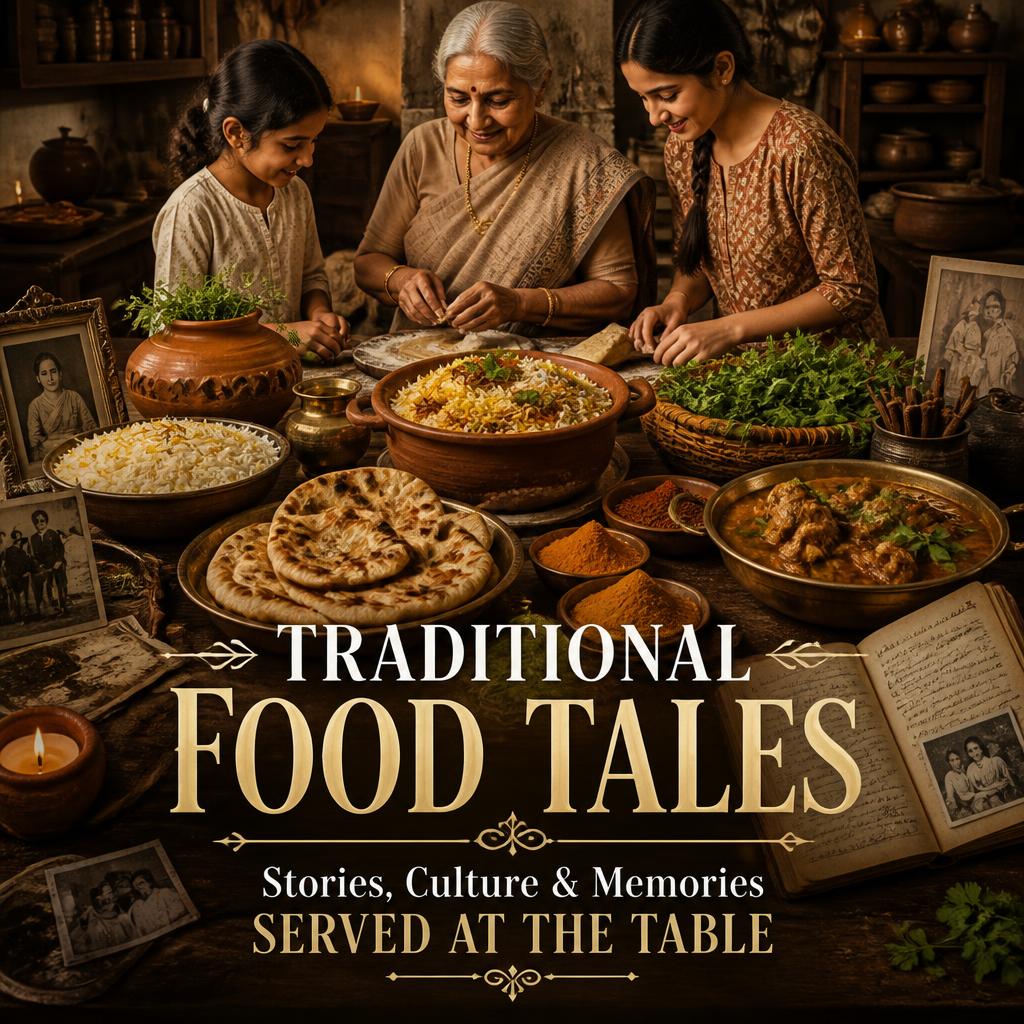
fridascocina.com – Traditional Food Tales: Stories, Culture, and Memories Served at the Table explores how traditional dishes carry much more than flavor. Behind familiar recipes are family memories, cultural traditions, local ingredients, migration stories, and knowledge passed from one generation to another. A simple meal can reveal who prepared it, where it originated, why it became important, when people traditionally served it, and how the recipe survived through time.
What Are Traditional Food Tales?
Traditional food tales are the stories and cultural memories connected to recipes that communities have prepared for generations. Some explain the origin of a famous dish, while others describe how families adapted their cooking during migration, celebrations, difficult economic periods, or changing seasons.
These stories give food context. A warming soup may represent comfort during winter, while a special cake might symbolize celebration or prosperity. In this way, traditional cuisine becomes an edible record of everyday history.
Why Traditional Food Matters to Cultural Identity
Food creates a powerful sense of belonging. Just like language, music, and clothing, traditional cuisine helps people stay connected with their cultural roots.
This connection becomes especially meaningful for families living far from their homeland. Preparing familiar dishes allows them to recreate a small piece of home wherever they live.
Even when ingredients change, familiar aromas and cooking methods can preserve emotional connections. That is why traditional food often becomes a portable form of cultural identity.
The Family Kitchen as a Living Archive
Before online recipes and cooking videos existed, people usually learned traditional dishes by watching relatives cook.
Children observed how adults mixed dough, seasoned soup, prepared vegetables, or judged whether meat had cooked long enough. Much of this knowledge depended on experience rather than exact instructions.
Recipes That Never Needed Measuring Cups
Older family recipes often contain wonderfully vague directions.
Use “a handful” of flour, “a pinch” of salt, or cook something “until it looks right.”
Although these instructions may sound imprecise, experienced cooks develop an instinct for texture, aroma, and timing.
When Cooking Becomes Cultural Knowledge
This practical knowledge matters because it cannot always fit neatly into a written recipe. The way someone kneads dough or recognizes the perfect consistency may take years to master.
When younger generations learn these techniques directly, they preserve more than recipes. They preserve skills, memories, and family traditions.
How Geography Shapes Traditional Cuisine
Where people live strongly influences what they eat.
Historically, communities relied on ingredients they could grow, gather, raise, catch, or trade locally. Coastal regions naturally developed seafood traditions, while mountain communities often depended on grains, dairy products, preserved meat, and hardy vegetables.
Climate also influenced preparation methods.
People developed drying, fermenting, smoking, salting, and pickling techniques because they needed food to last beyond harvest seasons.
Local Ingredients Create Distinctive Food Traditions
Staples such as rice, wheat, corn, potatoes, cassava, and millet have shaped entire culinary cultures.
Interestingly, one basic ingredient can become dozens of completely different foods. Rice, for example, can appear in porridge, cakes, noodles, fermented dishes, desserts, or festive meals.
This variety shows how communities creatively adapt food according to climate, available resources, taste, and tradition.
Migration Changes Recipes Without Erasing Their Roots
Traditional food rarely remains completely unchanged.
When people migrate, they bring recipes with them. However, familiar ingredients may not always be available in their new home. Families then substitute local vegetables, spices, grains, or cooking methods.
Over time, these adjustments can create new versions of old dishes.
A Recipe Can Travel Across Generations
Changing a recipe does not automatically erase its authenticity.
Food traditions have always evolved through migration, trade, cultural exchange, and changing lifestyles. What often remains strongest is the meaning attached to the dish.
Families continue preparing certain foods because they represent home, ancestry, resilience, celebration, and belonging.
When Food Becomes Part of Celebration
Many traditional dishes are closely connected with weddings, religious festivals, birthdays, harvest celebrations, and family gatherings.
Because people prepare them only on special occasions, their flavors become connected with anticipation and memory.
The preparation itself may become a ritual. One person makes the dough, another prepares the filling, while children help decorate—or quietly eat ingredients when nobody is watching.
These shared moments explain why food can become an essential part of family celebrations.
The Hidden History Behind Simple Meals
Many famous traditional dishes did not begin as luxury foods. They developed because ordinary people needed practical ways to make available ingredients satisfying and useful.
Tough meat became tender through slow cooking. Leftover bread turned into soups or desserts. Vegetables were pickled or fermented to extend their shelf life.
Simple Recipes Can Reveal Complex Stories
A humble stew may reveal generations of farming traditions, while preserved fish can explain how coastal communities stored food before modern refrigeration.
Asking why people cooked something in a particular way can uncover fascinating historical details hidden inside an everyday meal.
Why Taste and Smell Trigger Powerful Memories
A familiar aroma can suddenly bring back memories from years ago.
Food connects strongly with emotion because flavor and smell often become associated with particular experiences. A childhood dish might remind someone of Sunday lunches, grandparents, holidays, or crowded family tables.
Comfort Food Is Often Memory Food
Comfort food differs dramatically between cultures.
For one person, it might be hot noodles. For another, it could be rice with stew, homemade bread, dumplings, or a traditional dessert.
The specific dish changes, but the emotional connection remains similar. Familiar food can remind people of moments when they felt safe, comfortable, and connected.
How Modern Life Is Changing Traditional Cooking
Modern kitchens have transformed the way people prepare traditional meals.
Pressure cookers, refrigerators, food processors, and other appliances make cooking faster and easier. Meanwhile, busy lifestyles encourage families to simplify recipes that once required hours of preparation.
These changes do not necessarily destroy tradition.
A recipe can evolve while still preserving its essential flavors, techniques, and cultural meaning.
Preserving Traditional Food Tales for Future Generations
Families can preserve culinary heritage by writing down recipes, recording older relatives while they cook, photographing important steps, and documenting the stories behind special dishes.
More importantly, younger generations should cook alongside experienced family members whenever possible.
Record the Story, Not Just the Recipe
Ask who originally made the dish, when the family served it, why it mattered, and how it changed over time.
Document small details too—the preferred cooking pot, the correct texture, or the aroma that signals the food is ready.
Those details transform simple instructions into living family history.
Traditional Food Tales Keep Culture Alive
Traditional cuisine connects everyday life with history in a deeply personal way. Recipes reveal geography, migration, creativity, celebration, survival, and family relationships. Every time someone prepares an inherited dish and teaches another person how to make it, another chapter of that cultural story continues.
Ultimately, Traditional Food Tales: Stories, Culture, and Memories Served at the Table reminds us that food is never only about satisfying hunger. A traditional dish can carry generations of memories, cultural identity, family wisdom, and human experience—all gathered together on a single plate.