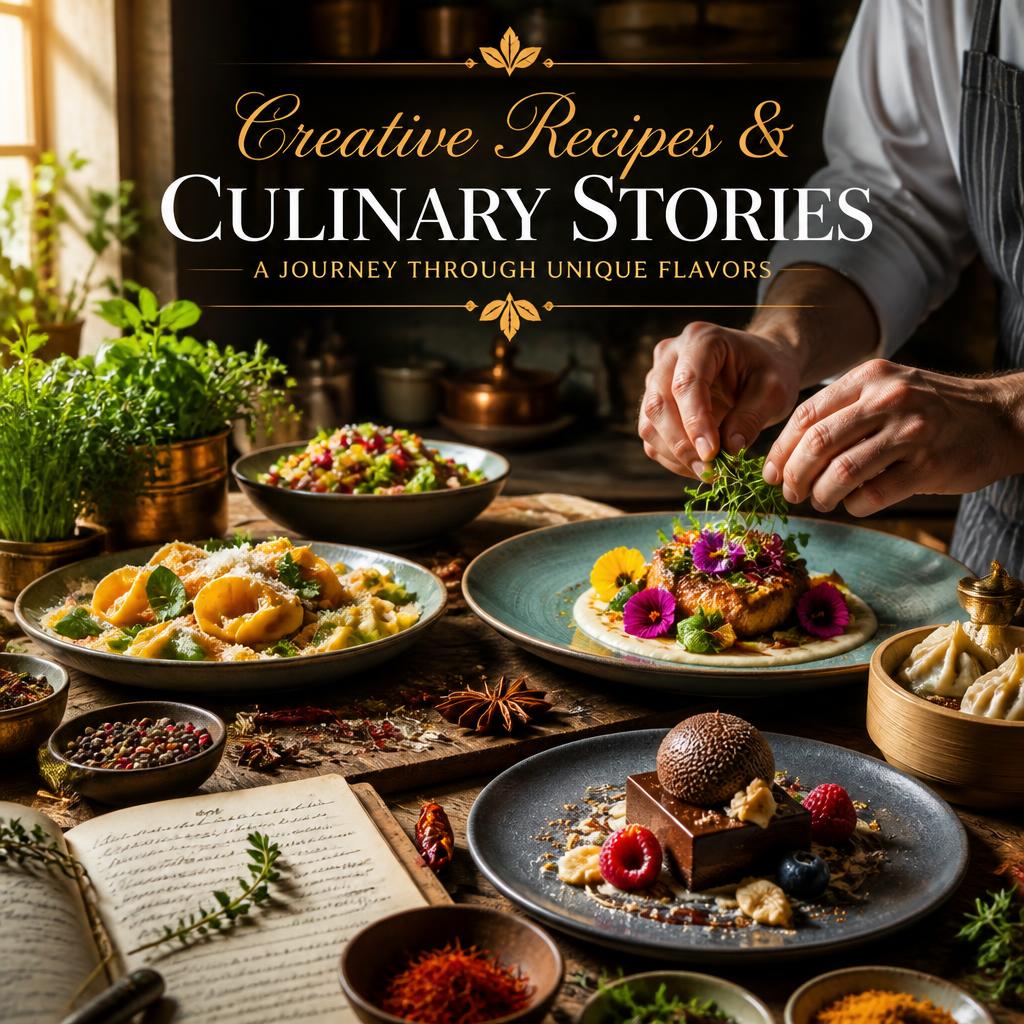
Creative Recipes and Culinary Stories: A Journey Through Unique Flavors brings together the magic of food, memories, and creativity in every dish created with passion. Food is not only about satisfying hunger; it is also a way to share emotions, traditions, and personal experiences. From family kitchens to modern restaurants, every recipe carries a story that connects people across cultures and generations. – fridascocina.com
The Connection Between Food and Personal Stories
Every meal has a background that makes it special. A simple bowl of soup can remind someone of childhood, while a handmade dessert can represent a family tradition passed down through decades. Culinary stories transform ordinary ingredients into meaningful experiences.
Many chefs and home cooks believe that the emotional value of a dish often comes from the journey behind it. The origin of ingredients, the cooking techniques used, and the people involved in preparing the food all contribute to its identity.
Why Culinary Stories Matter in Modern Cooking
In today’s digital world, people are looking for more than just recipes. They want inspiration, authenticity, and a reason to connect with the food they prepare. A recipe becomes more memorable when it includes a story about its creation.
Modern culinary trends often focus on food storytelling, a concept where chefs describe the inspiration, culture, and emotions behind their dishes. This approach creates a deeper relationship between creators and audiences.
Exploring Unique Flavors Through Creative Recipes
Creative recipes often appear when cooks experiment with different combinations of ingredients. Mixing traditional methods with innovative ideas can create surprising flavors that feel both familiar and new.
For example, a classic pasta dish can become more exciting with unexpected herbs, regional spices, or alternative cooking techniques. The process of experimenting allows cooks to discover new taste experiences.
The Role of Ingredients in Creating Memorable Dishes
Ingredients are the foundation of every recipe. Fresh vegetables, aromatic spices, quality proteins, and unique seasonings can completely change the character of a dish.
Professional chefs often study the chemical reactions between ingredients. The process known as Maillard reaction explains how heat creates complex flavors and appealing aromas when proteins and sugars interact during cooking.
Understanding these scientific elements helps cooks create dishes with better texture, color, and taste.
How Cultural Influences Shape Modern Recipes
Food reflects the history and identity of a community. Every country has unique cooking traditions shaped by geography, climate, and local resources.
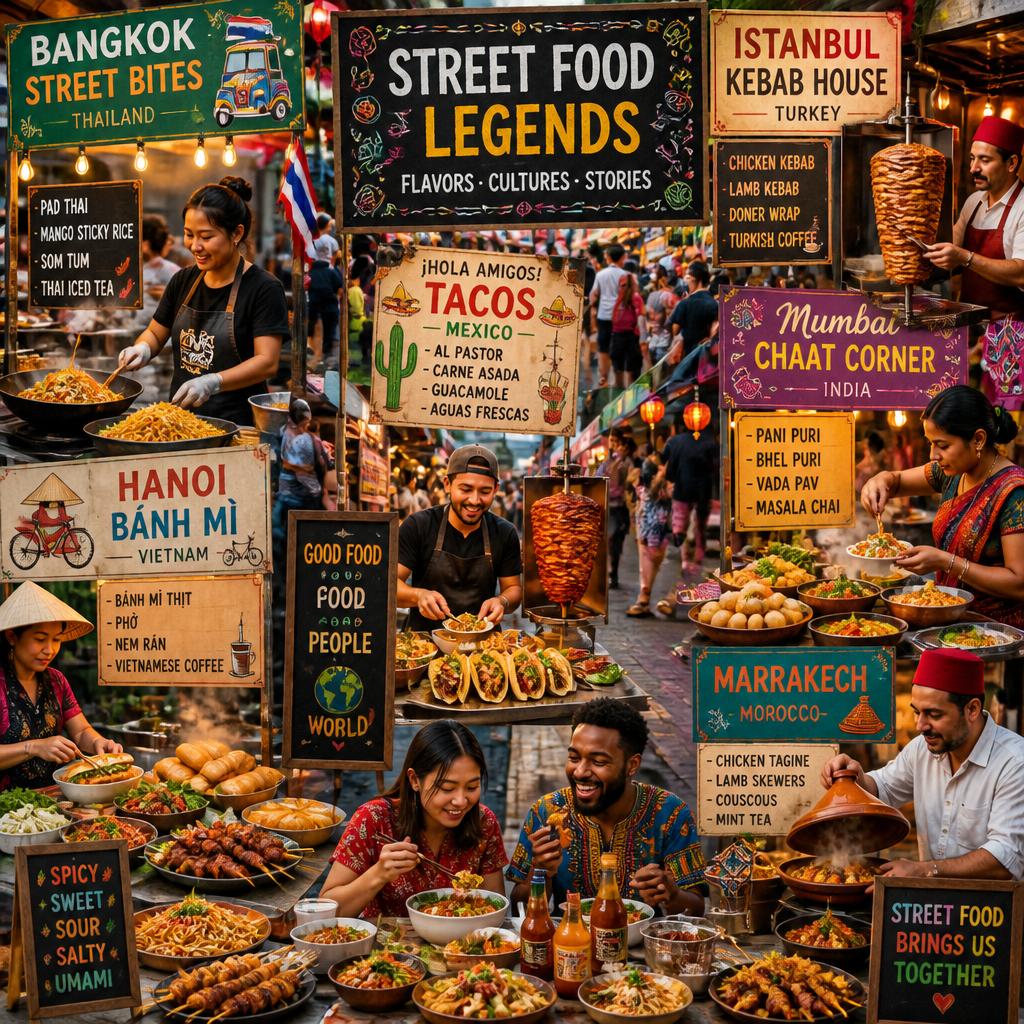
Asian cuisines often highlight balance between sweet, salty, sour, and spicy elements. Mediterranean cooking focuses on fresh ingredients, herbs, and simple preparation methods. Meanwhile, contemporary fusion cuisine combines different cultural influences to create something completely original.
Through these cultural connections, recipes become a bridge between people from different backgrounds.
The Creative Process Behind Developing New Recipes
Creating a new recipe usually begins with curiosity. A cook may start with a favorite ingredient and imagine different ways to transform it into something special.
Step One: Finding Inspiration
Inspiration can come from many places, including travel experiences, childhood memories, seasonal ingredients, or even conversations with other food lovers.
Many successful recipes begin as experiments rather than perfect ideas. Trial and error helps creators understand what combinations work best.
Step Two: Testing Flavors and Improving Techniques
After developing an idea, cooks test different measurements, cooking times, and ingredient combinations. Small adjustments can make a significant difference in the final result.
Texture is also an important element. A great dish usually combines different sensations, such as crispy toppings with creamy sauces or soft ingredients with crunchy elements.
Sharing Recipes as a Way to Preserve Memories
Recipes often become personal treasures because they capture important moments. A handwritten recipe card from a family member can hold emotional value beyond the ingredients listed on the page.
Today, people share culinary experiences through blogs, social media, and online communities. These platforms allow traditional recipes and new creations to reach audiences around the world.
For readers who enjoy exploring detailed food ideas and discovering meaningful dishes, Creative Recipes and Culinary Stories Full of Unique Flavors represents a collection of experiences where taste meets imagination.
The Growing Popularity of Story-Based Culinary Content
Food content has changed significantly in recent years. People are no longer interested only in cooking instructions; they also want to understand the personality and inspiration behind each creation.
Content creators now combine photography, personal narratives, and step-by-step guidance to make recipes more engaging. This style creates a stronger emotional connection with audiences.
The Influence of Digital Food Communities
Online food communities allow people to exchange ideas, review dishes, and celebrate creativity. Home cooks can learn techniques from professional chefs, while experienced creators can discover fresh perspectives from beginners.
This exchange encourages continuous innovation in the culinary world.
The Future of Creative Cooking and Flavor Exploration
The future of cooking will likely continue combining tradition with technology. New tools, sustainable ingredients, and advanced cooking methods are changing how people approach recipes.
Concepts like molecular gastronomy demonstrate how science can influence modern cuisine by transforming textures and presentations. However, the emotional connection behind food will always remain important.
A successful recipe is not only measured by taste but also by the memories and feelings it creates.
Final Thoughts on Food, Creativity, and Human Connection
Food has always been a universal language that brings people together. Creative cooking allows individuals to express their imagination while respecting traditions that have existed for generations. Whether created in a small home kitchen or a professional culinary environment, every dish has the potential to tell a powerful story.
Creative Recipes and Culinary Stories: A Journey Through Unique Flavors shows how recipes can become more than instructions on a page. They become reflections of culture, creativity, and personal experiences that continue to inspire people around the world.