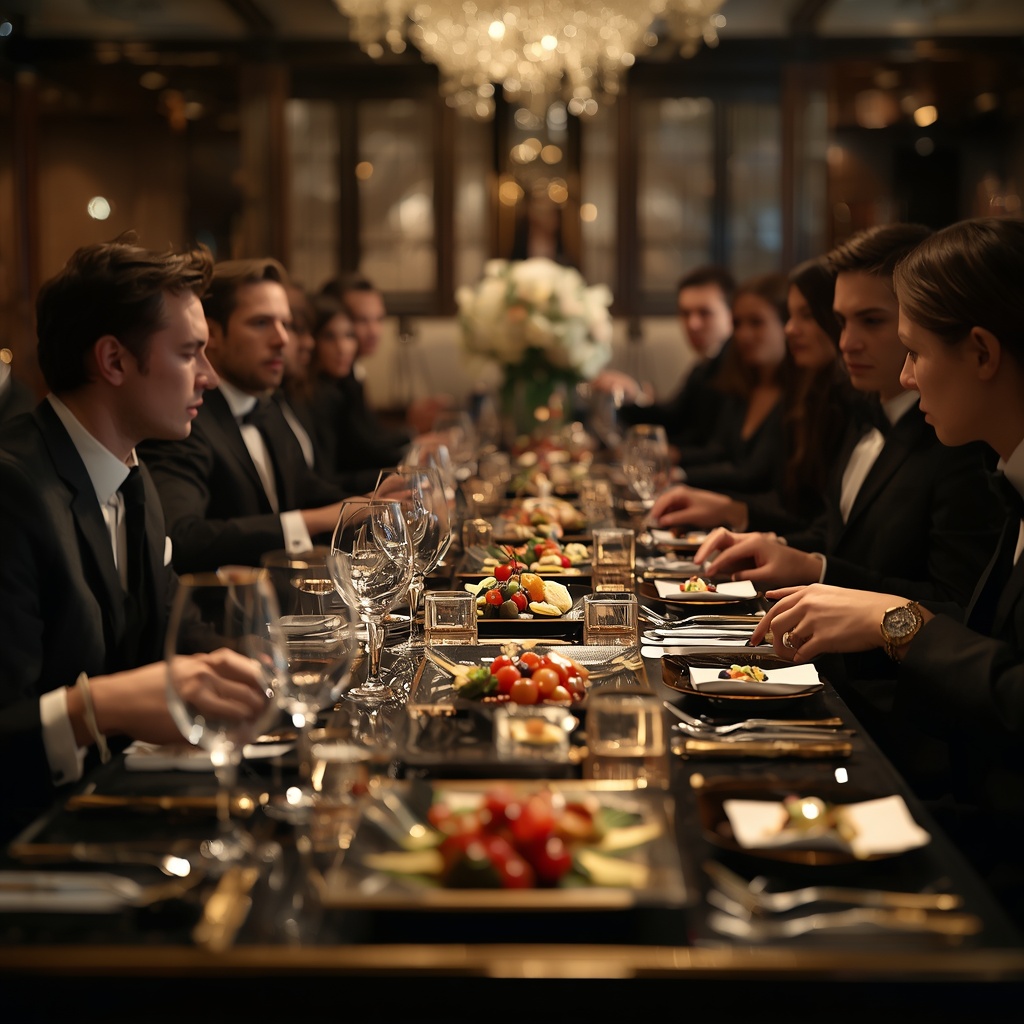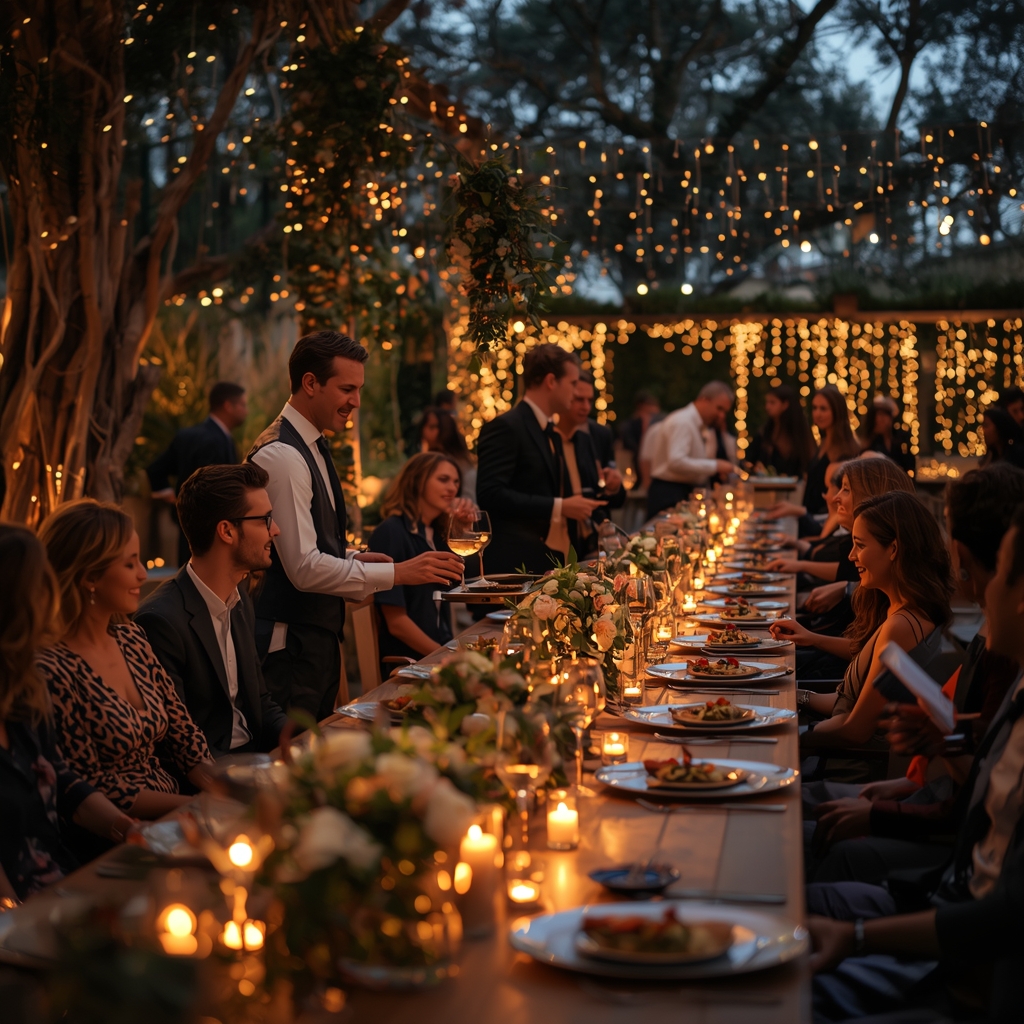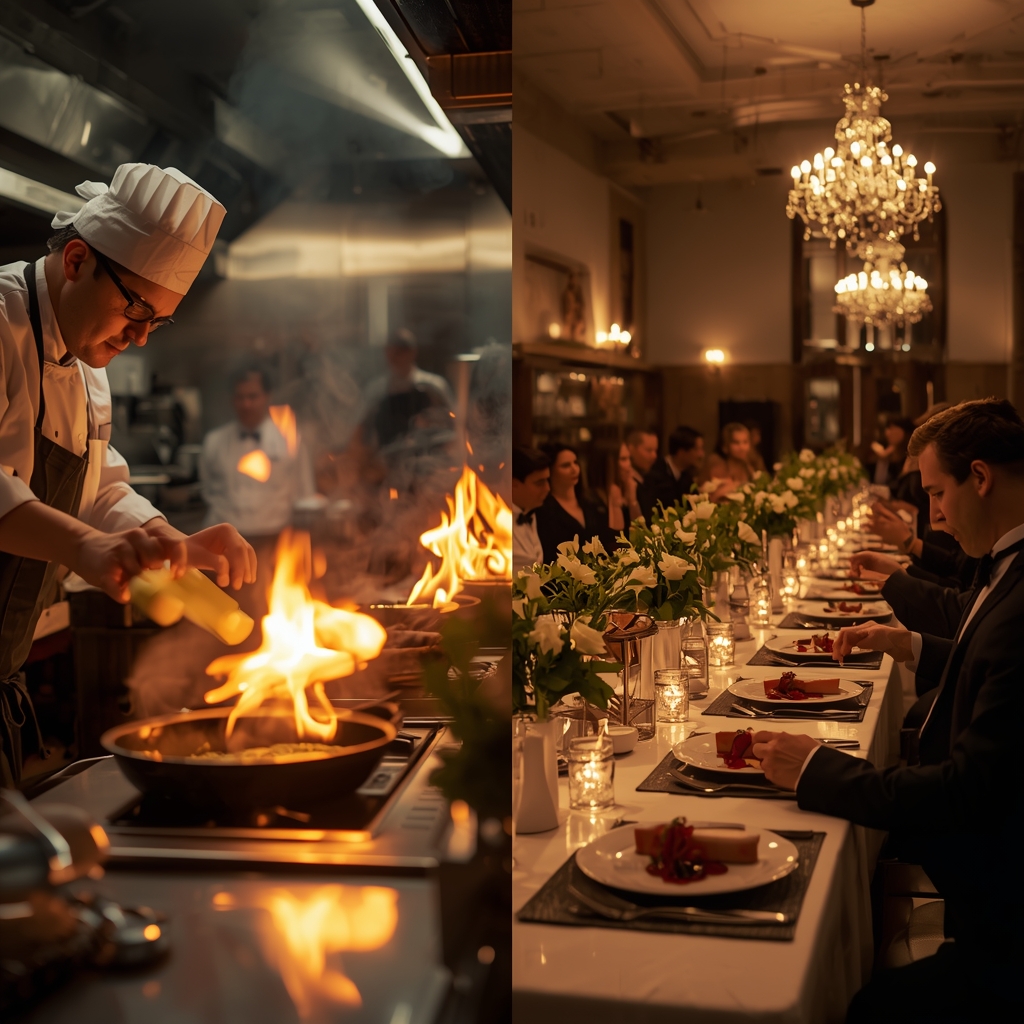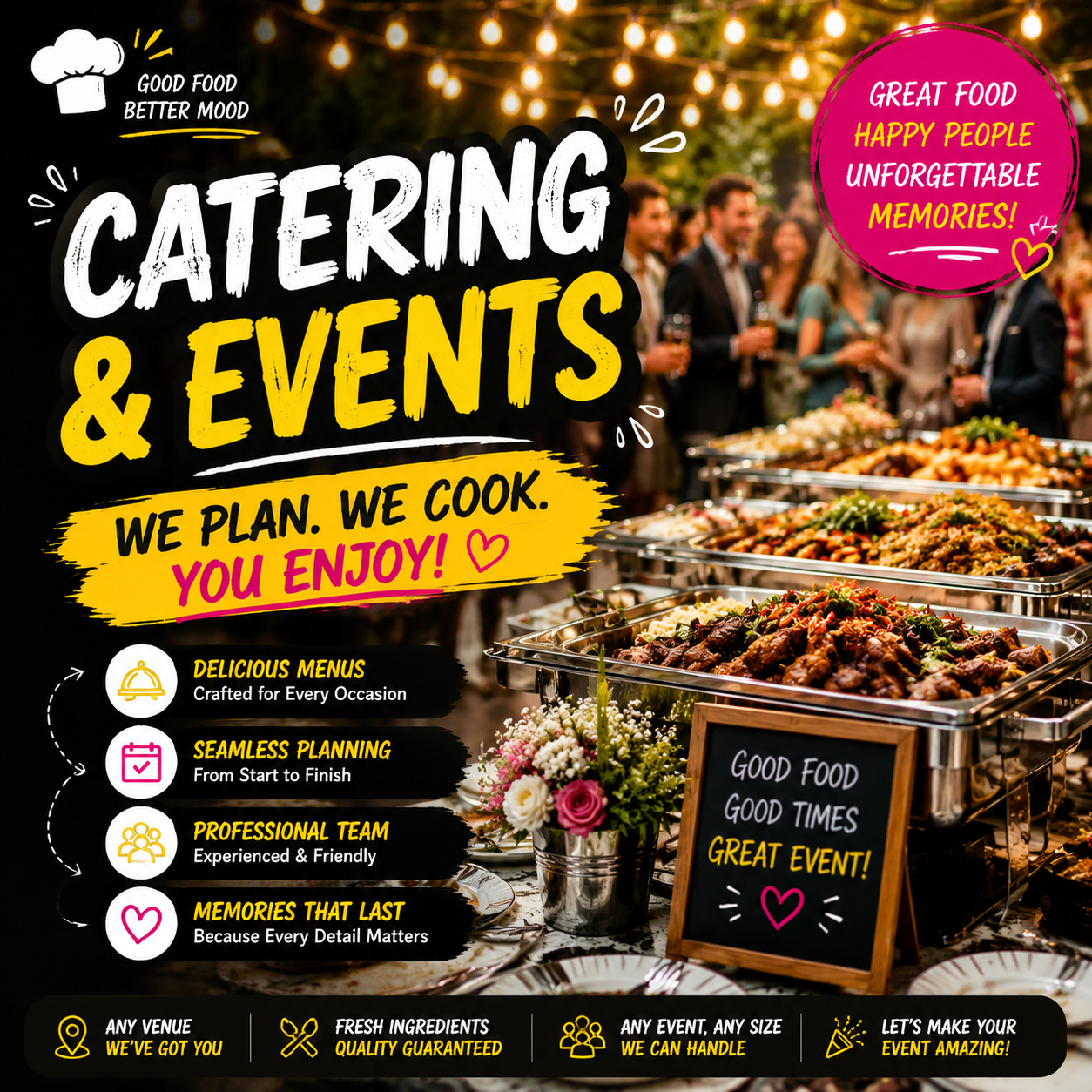
When Food Meets Chaos: Funny Guide to Catering & Events Fun! is not just a playful title—it perfectly describes the real-life adventure behind planning meals for crowds, managing unpredictable guests, and turning organized chaos into a memorable experience.
In the world of hospitality, nothing ever goes exactly as planned, and that’s exactly what makes it exciting. From wedding banquets to corporate luncheons, every detail matters, yet every moment can surprise you in unexpected ways. Let’s break it down in a simple, human way so it feels less like theory and more like a behind-the-scenes story. – fridascocina
What Makes Catering Events Tick in Real Life
Catering is more than just cooking food in bulk. It’s a combination of timing, logistics, creativity, and psychology. Every dish served must survive travel, waiting time, and presentation pressure.
Food quality is important, but so is temperature control, plating consistency, and guest experience. A successful event feels smooth—even if the kitchen is pure chaos behind the curtain.
Who Organizes Catering Events Behind the Scenes
The unsung heroes include chefs, event planners, servers, logistics teams, and sometimes even freelance coordinators.
Chefs design menus, planners handle client expectations, and service staff ensure everything lands on tables at the right moment. In many cases, teamwork matters more than individual skill.
People like event coordinators and culinary directors often act as the bridge between client vision and kitchen reality.
Where Catering Events Usually Take Place
Catering setups are incredibly flexible. You’ll find them in:
- Luxury hotels
- Outdoor gardens
- Corporate offices
- Beach weddings
- Private homes
Each location changes everything—from equipment needed to food safety strategy. For example, outdoor events require weather-proof setups, while indoor corporate events focus more on timing precision and minimal disruption.
When Timing Becomes the Secret Ingredient
Timing is everything in catering. Food served too early gets cold; too late, and guests get impatient.
Professional teams rely on synchronized kitchen workflows, often timed down to the minute. This is where experience becomes priceless, because even a 10-minute delay can affect the entire flow of an event.
Why Catering Events Matter More Than People Think
Catering isn’t just about eating—it’s about memory creation. Guests may forget speeches, but they rarely forget great food or terrible service.
Good catering improves brand image for companies and emotional impact for personal events like weddings or birthdays. It silently influences how people feel about the entire occasion.
How Catering Events Are Planned Step by Step
Planning starts long before the event day. First comes client consultation, then menu design, followed by budgeting, tasting sessions, and finally execution.
This is where the real strategy happens. Planners must predict guest behavior, dietary restrictions, and even cultural preferences. Every decision connects to the final experience.
At this stage, Catering & Events planning becomes a structured system combining culinary creativity with operational discipline. It involves forecasting guest flow, optimizing ingredient usage, and ensuring service staff alignment so nothing feels out of place during execution.
Step-by-Step Workflow in Simple Terms
- Client briefing and concept creation
- Menu selection and tasting
- Budget approval and logistics setup
- Team assignment and preparation
- Event execution and live coordination
- Post-event evaluation
Each step is a small puzzle piece that contributes to the bigger picture of success.
Menu Engineering & Logistics Science Behind It
Menu planning isn’t random. It follows what experts call gastrophysical balance, a mix of food science and customer psychology.
For example, heavier dishes are often paired with lighter starters to balance appetite. Logistics teams also calculate food quantities using guest ratio formulas to avoid waste or shortage.
Temperature control, transport timing, and plating speed all rely on tested systems that feel almost scientific in execution.
Challenges in Modern Catering Events
Even with perfect planning, challenges always appear:
- Last-minute guest changes
- Equipment failure
- Dietary restriction surprises
- Weather disruptions
What separates professionals from amateurs is adaptability. Quick thinking often saves the day more than strict planning.
Current Trends in the Catering Industry
Modern catering is evolving fast. Some interesting trends include:
- Eco-friendly packaging and zero-waste menus
- Live cooking stations for interactive dining
- AI-assisted menu optimization
- Fusion cuisine experiments
- Personalized dietary menus using data tracking
These innovations show how the industry blends tradition with technology.
Future of Catering Events Experience
The future is heading toward hyper-personalized experiences. Imagine menus generated based on guest mood data or smart kitchens adjusting recipes in real-time.
Automation may assist, but human creativity will always remain the heart of the industry. After all, food is emotional, not just functional.
Final Thoughts on the Catering World
Catering combines chaos, creativity, and precision in a way few industries can match. It’s a world where timing meets taste, and teamwork defines success.
From planning menus to serving guests, every detail matters more than it seems at first glance. And in the end, When Food Meets Chaos: Funny Guide to Catering & Events Fun! captures the spirit of turning organized disorder into unforgettable experiences.