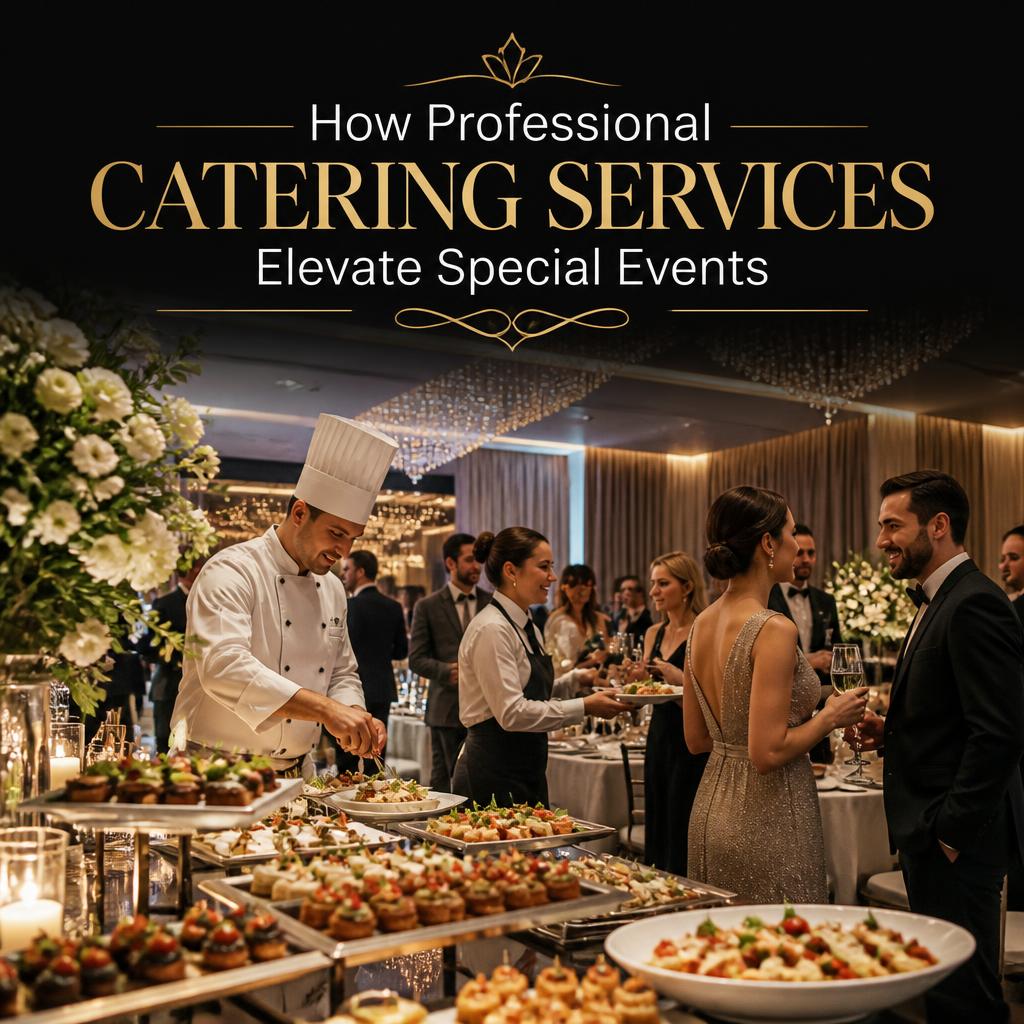
How to Choose Catering Services for Your Special Event is a question worth taking seriously because food can quietly become the highlight—or the headache—of any celebration. Whether you are planning a wedding, birthday party, corporate gathering, anniversary, graduation, or intimate family event, the right catering team can make everything feel smoother. Great catering is not simply about delicious dishes. It combines menu planning, professional service, timing, presentation, hygiene, and the ability to adapt when something unexpected happens.
So, before choosing the first caterer with attractive photos on social media, it helps to know exactly what to look for. Here is a practical way to narrow down your options without making the process unnecessarily complicated. – ridascocina.com
1. Start With the Type and Style of Your Special Event
Before contacting catering companies, define what kind of event you are actually hosting. A formal wedding dinner has completely different requirements from a casual backyard birthday party.
Think about who will attend, where the event will happen, when guests will arrive, and what atmosphere you want to create. A business event might call for neat individual portions and quick service, while a family celebration may work better with generous buffet stations.
Your event style immediately gives potential caterers useful context. It also prevents you from paying for services that do not fit the occasion.
Match the Catering Format to the Guest Experience
Different serving formats create different experiences. Common choices include buffet service, plated meals, food stations, family-style dining, cocktail receptions, and boxed meals.
For example, a buffet encourages guests to move around and choose their favorites. Meanwhile, plated dining usually feels more structured and elegant. There is no universally perfect format—the best choice is simply the one that fits your event.
2. Set a Realistic Catering Budget Early
Budget conversations may not be the most exciting part of event planning, but they save a lot of frustration later.
Decide approximately how much you can spend per guest. Then consider whether that amount should include beverages, servers, tableware, delivery, setup, cleanup, taxes, and other charges.
A surprisingly inexpensive menu can become much more expensive once service fees appear.
Ask What the Catering Quote Actually Includes
Never compare catering companies using the headline price alone. Request a detailed quotation.
Look for items such as:
- Food and beverages
- Delivery and transportation
- Serving staff
- Setup and cleanup
- Tableware or equipment rental
- Service charges
- Taxes
- Overtime fees
A transparent quote makes comparison much easier and reduces the chance of an unpleasant bill after the celebration.
3. Look for Caterers With Relevant Event Experience
A caterer can prepare fantastic food and still be the wrong choice for your occasion.
Experience matters because catering involves more than cooking. The team needs to understand logistics, serving schedules, guest flow, food holding temperatures, and coordination with venues or event organizers.
If you are hosting a wedding for 200 people, for instance, someone who mainly handles small office lunches may struggle with the scale.
Ask About Similar Events They Have Handled
Instead of simply asking, “Do you cater weddings?” get more specific.
Ask how many similar events they have handled, what guest counts they typically manage, and what challenges commonly occur. Their answers can tell you a lot about their level of preparation.
An experienced caterer should comfortably explain how the team handles timing, kitchen limitations, dietary requests, and last-minute changes.
4. Check Menu Flexibility Before Making a Decision
A fixed menu may look convenient, but flexibility can become extremely valuable.
Your guests may have allergies, religious dietary requirements, vegetarian preferences, or other restrictions. Ask whether the catering service can provide suitable alternatives without making those guests feel like an afterthought.
Modern event planning often involves accommodating several eating preferences within one menu.
Consider Dietary and Allergy Requirements
Food allergies require particular attention. Ask how the caterer prevents cross-contamination and whether ingredients can be clearly identified.
You may also need options for vegetarian, vegan, gluten-free, halal, or other dietary preferences. Professional caterers should be able to discuss these requirements clearly rather than giving vague promises.
5. Schedule a Tasting Whenever Possible
Photos can make almost any dish look impressive. A tasting tells you much more.
During a tasting session, pay attention to flavor, texture, portion size, temperature, and presentation. Consider how the dishes will work together as a complete menu rather than judging each plate individually.
This is also an excellent opportunity to meet the people behind the service.
Use the Tasting to Fine-Tune Your Menu
Do not be afraid to provide constructive feedback. Maybe the sauce feels too rich, the dessert is overly sweet, or a side dish does not complement the main course.
Small adjustments before the event can make a significant difference.
The tasting should feel collaborative. A good caterer listens to your preferences while also offering professional recommendations based on experience.
6. Evaluate Food Quality and Ingredient Standards
Fresh ingredients usually produce better flavors, but quality involves more than simply using expensive products.
Ask where ingredients come from, whether food is prepared fresh, and how dishes will be transported and stored before service.
Food safety is equally important. Proper temperature control helps limit microbial growth and keeps prepared dishes within safe serving conditions.
Presentation Matters Too
People often notice food visually before tasting it.
Ask how dishes will be plated or arranged on buffet tables. Simple details such as serving vessels, garnishes, labels, and table organization can dramatically improve the overall appearance.
For elegant celebrations, presentation should complement the event theme rather than compete with it.
7. Read Reviews With a Critical Eye
Online reviews are useful, but do not focus exclusively on star ratings.
Look for repeated comments about punctuality, communication, food quality, staff professionalism, and reliability. Patterns matter more than one extremely positive or negative review.
Recent feedback can be particularly helpful because staff, menus, and management may change over time.
8. Check Whether the Caterer Understands Your Venue
Venue familiarity can make event day significantly easier.
Some locations have full commercial kitchens, while others provide little more than preparation space. Ask whether the caterer needs access to ovens, refrigeration, electricity, water, or additional equipment.
If possible, let the catering team inspect the venue beforehand.
Discuss Setup and Service Logistics
Clarify where food preparation will happen, where servers will enter, and how long setup will take.
For outdoor events, weather becomes another consideration. Heat, rain, or wind can affect serving arrangements, food safety, and equipment placement.
A prepared catering company should have sensible contingency plans rather than relying on everything going perfectly.
9. Pay Attention to Communication and Responsiveness
Good communication before the event often predicts smoother service during it.
Notice how quickly the company responds to questions. Are the answers detailed? Does the coordinator remember your requirements? Are changes documented clearly?
If communication already feels confusing before you sign a contract, that confusion may become worse as the event approaches.
10. Confirm Staffing and Service Standards
Food receives most of the attention, yet service staff have a major influence on guest experience.
Ask how many servers will attend and what responsibilities they will handle. Depending on the event, you may need servers, bartenders, buffet attendants, supervisors, or cleanup personnel.
Professional staff should appear organized, approachable, and appropriately dressed for the occasion.
Understand the Service Timeline
Discuss when the team will arrive, when food service begins, and how long cleanup will take.
Timing matters especially when your schedule includes speeches, performances, ceremonies, or entertainment. Dinner arriving 40 minutes late can disrupt everything else on the program.
11. Review the Catering Contract Carefully
Once you have found a strong candidate, do not rely on verbal agreements.
The contract should clearly state the menu, guest count, service style, staffing, payment schedule, event date, setup requirements, cancellation policy, and additional charges.
Also check the deadline for confirming your final number of guests.
Know the Cancellation and Change Policies
Unexpected situations happen. Guest numbers may change, venues may shift, or an event may need to move to another date.
Find out what happens to your deposit under those circumstances. Clear policies protect both you and the catering company.
12. Compare Overall Value, Not Just the Cheapest Price
Choosing the lowest quotation can be tempting, particularly when event expenses are already adding up.
However, catering value should include reliability, food quality, portion sizes, staff professionalism, flexibility, presentation, and communication. Paying slightly more for an experienced team may prevent expensive problems later.
At the same time, premium pricing does not automatically guarantee premium service. Compare what each company genuinely provides.
13. Ask the Right Questions Before Booking
Before signing anything, prepare a short list of practical questions. Ask whether the caterer is available on your date, how many guests they can comfortably serve, whether menu customization is possible, and what equipment they provide.
You should also ask how they handle unexpected guest increases and why they recommend a particular service format for your venue.
These conversations reveal whether the company is simply selling a package or genuinely thinking about your event.
14. Trust Professionalism, Preparation, and Compatibility
Sometimes two catering companies look equally strong on paper. In that situation, consider which team understands your vision better.
You will probably communicate with your caterer several times before the event. Working with people who listen, explain things clearly, and stay organized can make the entire planning process less stressful.
Professional chemistry matters—not in a vague way, but because good collaboration leads to clearer decisions and fewer misunderstandings.
Final Thoughts
Great catering should feel almost effortless from a guest’s perspective. Food arrives at the right moment, dietary needs receive proper attention, staff remain helpful, and nobody hosting the event needs to disappear into the kitchen every ten minutes. Behind that relaxed experience, however, sits careful planning.
Take time to compare menus, request detailed pricing, check experience, arrange a tasting, discuss venue logistics, and read the contract before committing. Most importantly, choose a team that communicates well and understands the experience you want guests to remember. Following these practical steps on How to Choose Catering Services for Your Special Event can help turn a complicated decision into a confident choice—and leave you free to actually enjoy the occasion.